
A 15-Minute Heat Test for Arab Homes Before the First Frost (Heat Pumps Included)
October 29, 2026
Bring the RH log, the cycle times, and the forecast dew points from the same days. The rest should be measured.
A calm next step if you want data, not a pitch
If you want the smell located with numbers instead of a one-afternoon guess, the offer that matches this question is the Home Air Health Study.
Monitors stay in the home for about seven days. You get a scorecard and the top three moves that fit this house — which may or may not include the crawl. The Study explains what the air is doing. It is not a medical exam, and it does not promise that a product will make a smell disappear.
If you would rather talk it through first, call (256) 203-6612, Monday–Friday, 7:30 a.m.–5:00 p.m. You can also book a visit. Dickerson Services is at 2151 Hopewell Rd in Guntersville and works with homeowners across North Alabama.
Bring where the smell is strongest, when it shows up, and any humidity readings you took. The rest should be measured.
The best time to find out your heat has a problem is on a mild fall afternoon, not on the first cold night when everyone else is calling too. A 15-minute test is usually enough to tell whether the system starts, heats, and behaves normally.
Many homes around Arab and Brindlee Mountain heat with a heat pump, so this guide is built around what a heat pump looks, sounds, and feels like when it is working. If you have a gas furnace, most steps still apply. For the broader why-and-when of testing heat, see
the Huntsville heat test guide. This one is the hands-on walkthrough.
Why the first frost is a useful cue
There is no single outdoor temperature that tells every house to start heating. But recent nights have already dipped into the 40s in many spots around Arab, and long-term climate normals for this part of North Alabama typically put the first frost or first night in the 30s somewhere from late October into November. The exact timing varies a lot from year to year. The first frost is when the heat really has to work, so it is a handy deadline: test a few days before it, while the weather is still mild. Your own forecast is the better guide for the week.
Before you start: two minutes of prep
- Check the filter. If it is gray, matted, or you cannot see light through it, replace it. A clogged filter is one of the most common reasons heat feels weak. Make sure it fits the slot without gaps.
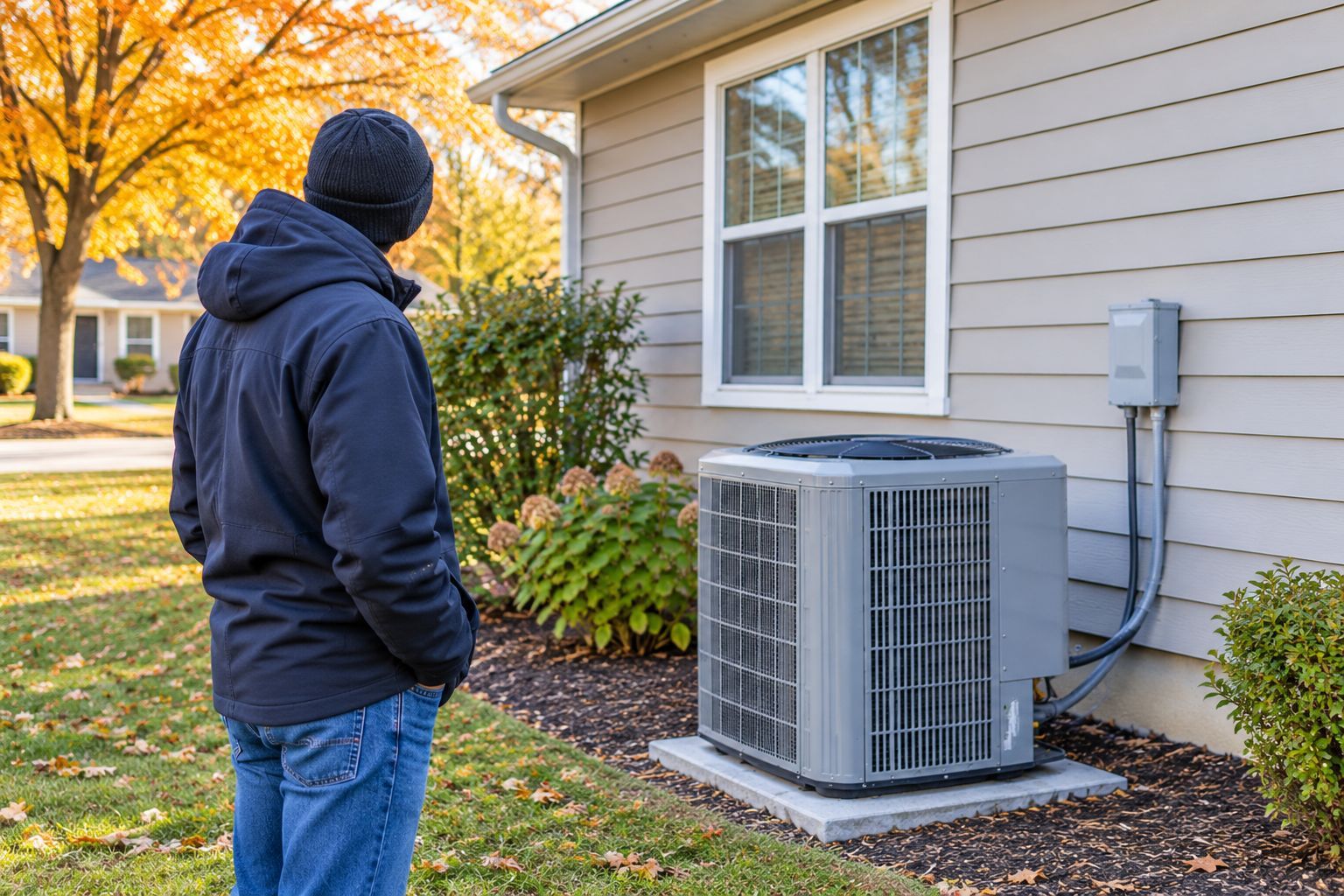
- Look at the outdoor unit. Clear leaves, pine straw, mulch, and stored items away from the sides and top so air can move freely. Do not open any panels.
- Open interior doors and make sure registers are not covered by rugs or furniture.
The 15-minute test
Minutes 0-2: set the thermostat
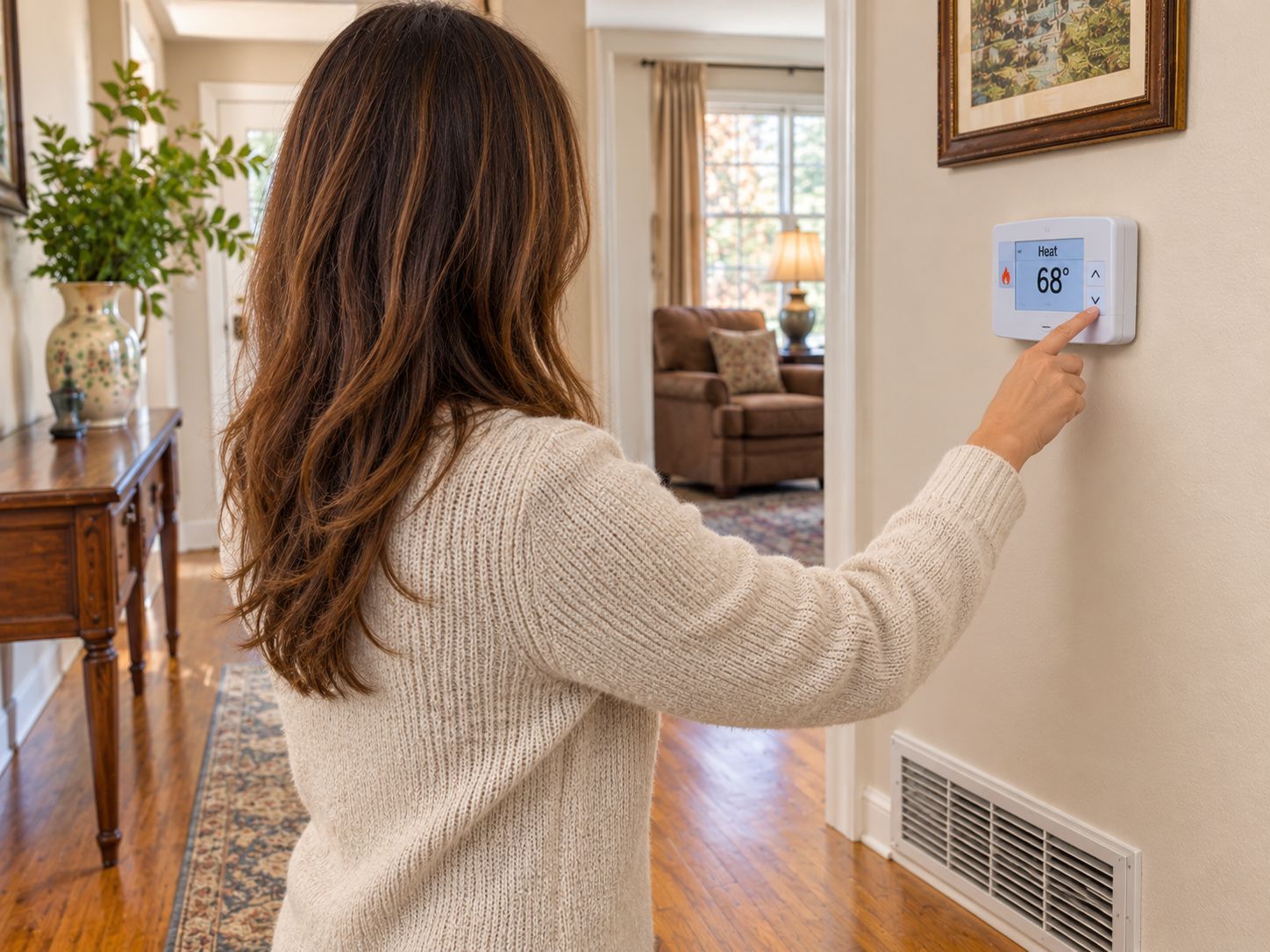
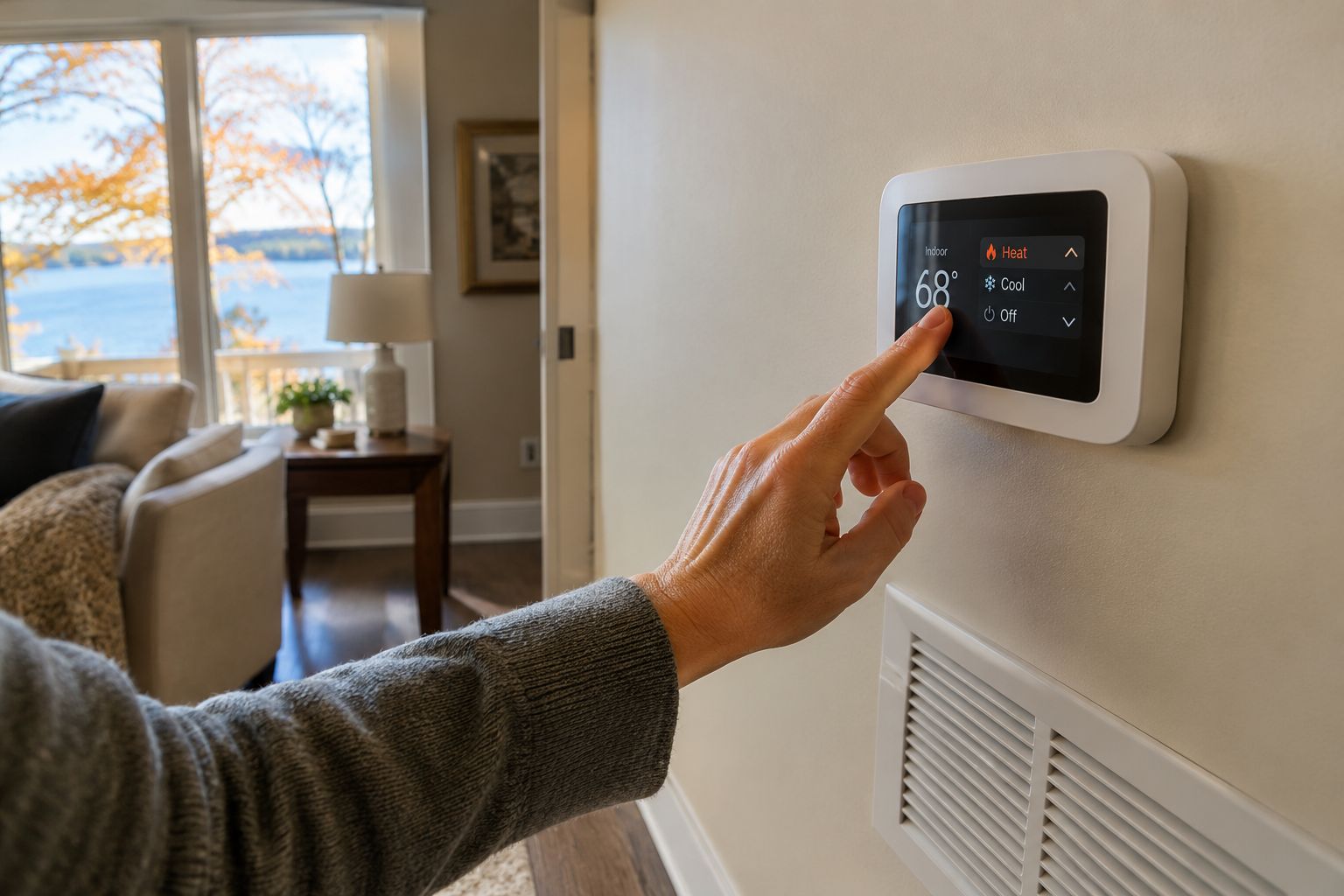
Switch the mode from Cool (or Off) to Heat, not Emergency Heat. Set the temperature two or three degrees above what the room reads now and leave the fan on AUTO. Raising it a lot at once can make some systems bring on backup heat, which makes the test harder to read.
If your thermostat has an Auto changeover mode that switches between heating and cooling on its own, it is fine to use later in the season, but for the test, choose Heat directly so you know what the system was asked to do.
Minutes 2-5: listen and look outside
Within a few minutes, the indoor blower should start, and on a heat pump the outdoor unit should come on too: the fan on top spins and you hear the compressor. That is the outdoor unit doing the heating. If the indoor blower runs but the outdoor unit stays silent on a heat pump, write that down.
Minutes 5-10: feel the registers
Hold your hand at a few supply registers. On a heat pump, the air usually feels warm, not hot. It is often noticeably less hot than a furnace, and that is normal, especially on a mild day. What you are checking is that the air is clearly warmer than the room and that it keeps coming.
Try at least one register in each main area, including the room farthest from the equipment.
Minutes 10-15: read the thermostat and the house
Look at the thermostat display. Normal heat pump heating usually just shows Heat. During your test, you may see an indicator like Aux or Aux Heat. On most systems that means electric backup heat strips came on to help, which can happen when the house is cool or the setpoint jumped. Seeing it briefly is common. Seeing it constantly on a mild day is worth noting for a technician.
Emergency Heat (often shown as Em Heat) is different. On most heat pumps it turns the outdoor unit off and runs only the backup strips. It is meant for when the heat pump itself is not working, not for everyday use. If your thermostat is set to Emergency Heat and you did not mean it, switch back to Heat.
By the end of 15 minutes, the room near the thermostat should be starting to warm.
Outdoor unit behavior that is usually normal
- Steam or vapor rising from the unit. On cold, damp mornings, heat pumps periodically run a defrost cycle to clear frost from the outdoor coil. You may see steam, hear a whoosh or click, and notice the outdoor fan stop for a few minutes. This is usually normal, and the system goes back to heating afterward. Defrost may not show up at all during a mild-day test, because it mostly happens when outdoor temperatures are near or below about 40°F.
- A light coat of frost on the outdoor coil on a cold, damp morning that clears after a defrost cycle.
- Water dripping from under the unit after defrost.
- Long, steady run times on cool days. Heat pumps often run longer and gentler than furnaces.
Signs to note and call about
- The outdoor unit never starts while the thermostat says Heat.
- Air at the registers stays at room temperature or feels cool after 10 minutes.
- Aux or backup heat runs constantly on a mild day.
- The outdoor unit is encased in thick ice that does not clear.
- Loud grinding, banging, or screeching.
- A breaker trips when the heat comes on.
- A burning smell that does not fade after the first few minutes, any electrical or plastic burning smell, or smoke. Turn the system off. A light dusty smell on the very first run of the season is common and usually fades quickly.
- On gas equipment, any gas or rotten-egg smell. Leave the house and call your gas utility or 911 from outside.
- If a carbon monoxide alarm sounds, get everyone out and call 911 from outside.
Older Arab homes: ducts in a vented crawl
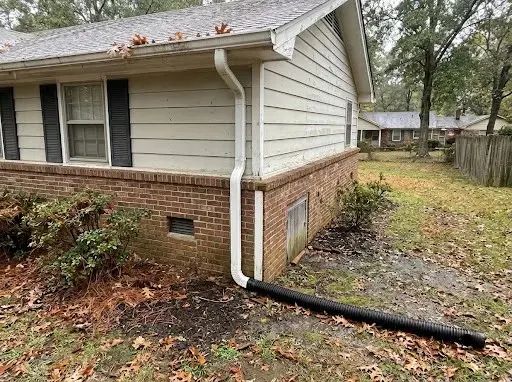
A lot of older homes in the area have floor registers fed by ductwork that runs through a vented crawl space. That ductwork sits in air that can get chilly on fall and winter nights, and over the years joints can loosen or separate. When that happens, some heated air can end up warming the crawl instead of the room.
During your test, notice:
- Floor registers that are much weaker than others, or barely blow at all.
- Rooms that lag behind even with doors open.
- Cold floors in rooms over the crawl, which are often more about air leaks under the floor than the heat itself. Why Arab floors feel cold in October covers that side.
- A musty smell when the system starts, which usually points to moisture rather than dust. How to tell if a musty smell is coming from the crawlspace in Arab walks through locating it.
You do not need to go into the crawl to run this test. Just write down which rooms and registers were weak. Why vented crawls behave the way they do in this climate is in
vented versus encapsulated crawl spaces.
After the test: back to Cool for now?
If afternoons are still warm, it is fine to switch back to Cool after the test. The point was to confirm heat works, not to start heating season early. If the house feels sticky on those mild afternoons, that is a humidity question, covered in
why your Arab house feels sticky on mild fall days.
A calm next step
If anything on the "note and call" list showed up, book a visit while the weather is still mild. For non-members, that is an $85 trip and service call. Bring your notes: what the thermostat showed, whether the outdoor unit ran, and which rooms or registers were weak. More on repair visits is on our heating repair page.
If you would rather not run this test yourself every fall, the Home Air Assurance Plan includes a preventative maintenance visit each year with a filter change. Members pay $0 for trip and service calls and get 10% off repairs and installs. Details on seasonal visits are on our maintenance and tune-ups page, and if you are weighing equipment, see heat pump vs air conditioner in North Alabama.
Call
256-203-6612, Monday-Friday, 7:30 a.m.-5:00 p.m. CT. Dickerson Services
is at 2151 Hopewell Rd in Guntersville and works with homeowners in Arab and across North Alabama.
Frequently Asked Questions
How do I test my heat pump before cold weather?
Switch the thermostat to Heat, raise it two or three degrees, and give it about 15 minutes. Confirm the outdoor unit starts, the registers blow air that is clearly warmer than the room, and the display shows Heat rather than Emergency Heat. Check the filter and clear around the outdoor unit first.
What is the difference between aux heat and emergency heat?
On most heat pumps, aux heat means the electric backup strips are helping the heat pump, which is common when the house is cool or you raise the setpoint a lot. Emergency heat usually turns the heat pump off and runs only the backup strips. It is meant for when the heat pump is not working, so it is not a setting to leave on day to day.
Why is steam coming from my heat pump outside?
Usually because it is in defrost. On cold, damp mornings, heat pumps periodically clear frost from the outdoor coil, which can produce steam, a whooshing sound, and a few minutes with the outdoor fan stopped. It is normal as long as the unit goes back to heating and does not stay encased in ice.
Why does my heat pump air feel only warm, not hot?
Heat pumps typically deliver air that is warm rather than hot, especially on mild days, and they make up for it by running longer. That is normal. What matters is that the air is clearly warmer than the room and the house gradually warms. If it stays at room temperature, book a visit.
Should I book a service call now or wait until it gets cold?
If your test turned up a problem, now is usually the better time, while the weather is mild and you are not without heat. For non-members, a service call is $85. Home Air Assurance Plan members pay $0 for the trip and get 10% off repairs.
Share this article