
Test Your Heat Before Huntsville’s First Hard Cold Night

October 6, 2026


Bring the RH log, the cycle times, and the forecast dew points from the same days. The rest should be measured.

A calm next step if you want data, not a pitch

If you want the smell located with numbers instead of a one-afternoon guess, the offer that matches this question is the Home Air Health Study.


Monitors stay in the home for about seven days. You get a scorecard and the top three moves that fit this house — which may or may not include the crawl. The Study explains what the air is doing. It is not a medical exam, and it does not promise that a product will make a smell disappear.


If you would rather talk it through first, call (256) 203-6612, Monday–Friday, 7:30 a.m.–5:00 p.m. You can also book a visit. Dickerson Services is at 2151 Hopewell Rd in Guntersville and works with homeowners across North Alabama.


Bring where the smell is strongest, when it shows up, and any humidity readings you took. The rest should be measured.

Short answer

Yes, test your heat now, while the nights are only starting to dip toward 50° and the afternoons still feel mild. Set Heat a few degrees above the room temperature on a calm morning or evening, give it time, and check that it starts and that every room, including upstairs, gets warmer.


Doing this before the first hard cold means you find out about any problem on a calm day, not on a freezing night when you need heat right away. Switching to Heat for one cool breakfast is not the same as a real test. A real test takes a little patience.

Why the first ~50° nights are a good cue

Long-term climate normals for the Huntsville area (airport-station averages) put October overnight lows roughly in the low 50s. A forecast stretch around ~50° is a practical cue to test heat soon. It is a planning cue, not a rule that every house must run heat at a certain outdoor temperature. Use your own forecast, how your house feels, and a calm test.


A few things shape how a first heat test goes in this part of North Alabama:


  1. Inland nights often start the first cool stretch while afternoons stay mild. The risk is that nobody asks for heat until a harder cold snap, and that is when you learn it does not respond.
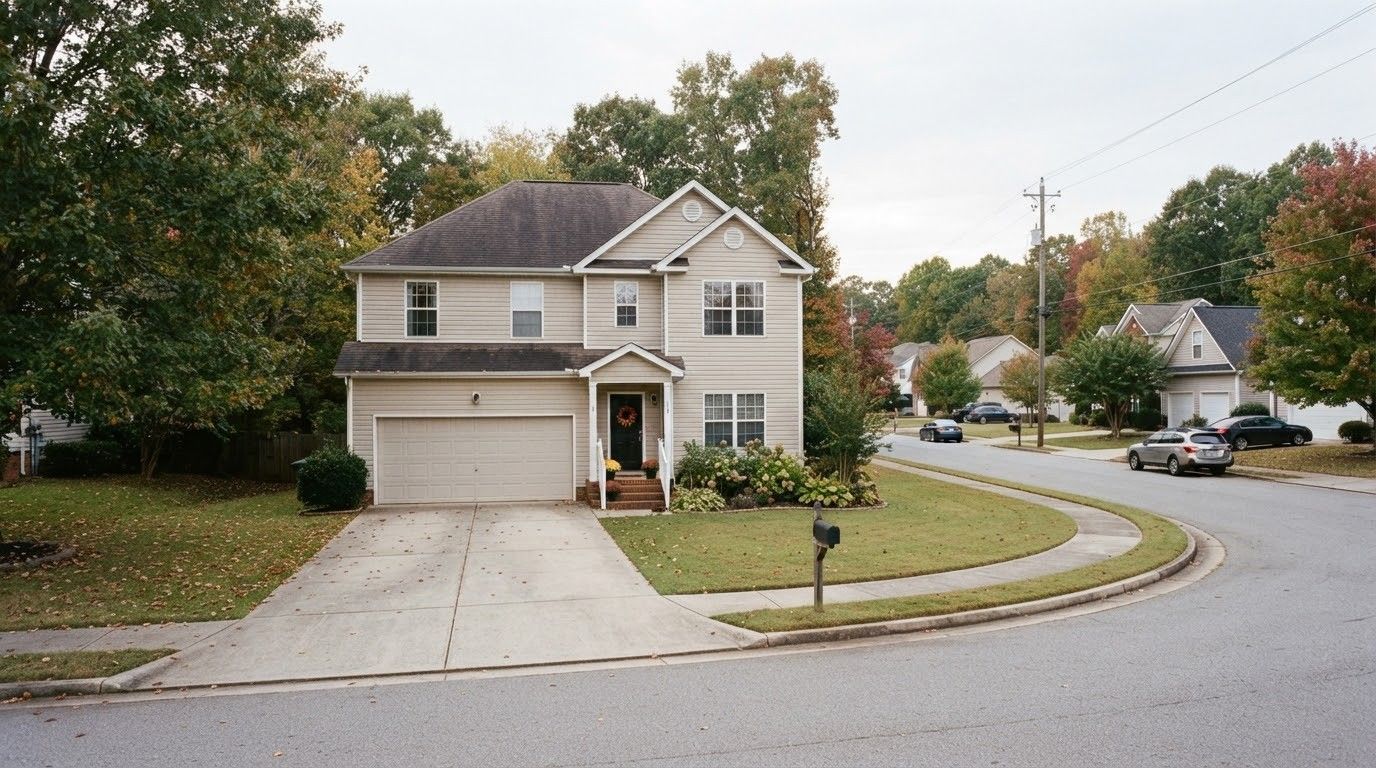
  2. Two-story homes with attic ducts are common across the metro and Redstone area. When heat has not been asked for in months, upstairs rooms can answer slowly or not at all, and one warm downstairs register does not mean the whole house is fine.
  3. Heat pumps are common here. On a mild day they often deliver steadier, lower-temperature air and longer run times. A hotter short blast can be a furnace, or on some heat pumps it can be the backup (auxiliary) heat the thermostat called for. You can see that on the thermostat display if it shows auxiliary or emergency heat.


The usual pattern looks like this: nights near ~50° while afternoons feel easy, so nobody asks for heat, then the first harder cold arrives, then heat does not start or the upstairs never warms, and you are left calling for repair on a cold night.

What can go wrong the first time you ask for heat

Heat that has not run since spring can surprise you. Common homeowner-visible causes are a dirty filter, the thermostat still set to Cool or Off, an outdoor unit blocked by leaves or storage, or no response at all when you ask for Heat. A calm evening test beats finding any of that on a 28° morning.


In two-story homes with attic ducts, downstairs often warms fine while a closed upstairs bedroom lags. Run the test with the bedroom doors open, then note which rooms never answer. That note helps a technician. It is not a reason to order duct cleaning as a dust fix.


If you have a heat pump, longer, gentler warm air on a mild cool day is ordinary. Do not judge it broken just because the vents are not furnace-hot on a 55° afternoon. If your thermostat shows auxiliary or emergency heat, write it down for a visit. Details on equipment types are in heat pump vs air conditioner in North Alabama.


If the house still feels sticky on mild afternoons, that is a separate humidity pattern and not proof your heat failed. See why the house feels sticky on a mild September day and what indoor humidity should be.

How to run a calm heat test

Pick a cool, non-emergency morning or evening when the forecast already shows nights near ~50°, before the first hard cold.


Set Heat a few degrees above the room temperature, with the fan on AUTO. Give the system time and do not flip modes every five minutes.


  • Does the system start when you ask for heat?
  • Do the supply registers eventually feel warmer than the room air?
  • Do the main living rooms respond over a reasonable run?
  • In a two-story home, do the upstairs rooms answer, or only downstairs?
  • Is the filter obviously dirty? Is the outdoor unit buried in leaves, toys, or storage?


A brief dusty or warm-dust smell the first time the heat runs after a long off season is normal and usually fades quickly. A smell that keeps going after that is a reason to call. If you ever smell gas or burning, or see smoke, turn the system off and call right away.


You are only confirming that heat responds. If nothing happens, only some rooms answer, or the system runs a long time with almost no change, that is a visit. If a heat pump shows auxiliary or emergency heat during your short test, note it for the visit.


Service paths: heating repair, maintenance and tune-ups, and heating and cooling.

If you wait, and if you only flip modes

Waiting through a mild afternoon to schedule a calm evening test is usually good management. Waiting until the first hard cold to learn that heat does not run is the expensive pattern.

Older equipment deserves an earlier, calmer check. Age alone does not mean replace, but it does mean getting a fair look before anyone sells you a system.

A calm next step: test heat, then decide

If your equipment is older, you are unsure heat will run, the upstairs never answered, or replacement is already on your mind, you can book the free Initial Comfort Plan. It is a 60–90 minute in-home assessment, and you leave with a written Comfort Options Report that covers your home’s likely heating and cooling load range and your equipment options. Bring your heat-test notes and which rooms responded.


If you just need a visit without shopping for equipment, book a visit. For non-members, that is an $85 service call. Members of the Home Air Assurance Plan do not pay the trip or service call fee.


Optional: the Home Air Health Study places monitors in your home for about seven days and gives you an Air Health Scorecard and your top three next moves. We do not diagnose medical conditions.


If replacement is clearly on the table after a fair test, see heating replacement and installation.

Call 256-203-6612, Monday–Friday, 7:30 a.m.–5:00 p.m. CT. Dickerson Services, 2151 Hopewell Rd, Guntersville.

Frequently Asked Questions

  • Why use ~50° nights as a cue?

    Local climate normals put October overnight averages roughly in the low 50s at the local airport station. A forecast stretch around ~50° is a practical cue to test your heat before the first hard cold. It is a planning cue, not a rule that every house must run heat on that night.

  • How is this different from “when should I switch from AC to heat”?

    Switching modes is about when to stop cooling and start heating, which depends on your forecast and your house. This test is about whether your heat actually runs and every room responds before the first hard cold. It is a related season but a different decision.

  • Heat pump: what should I notice on a first heat test?

    Set Heat, give it time, and see whether the rooms warm up. Longer, gentler warm air on a mild cool day is ordinary. If the thermostat shows auxiliary or emergency heat, or the air suddenly feels much hotter in short bursts, note it for a visit.

  • Why do upstairs rooms matter in two-story homes?

    Many subdivision homes run ducts through a hot attic and send air upstairs through long runs. On first heat, the upstairs bedrooms may lag or not warm at all while downstairs feels fine. Open the doors for a fair test, then write down which rooms never answer so you can tell the technician.

  • Should I book an Initial Comfort Plan or an $85 service call?

    Choose the free Initial Comfort Plan (60–90 minutes) if your equipment is older, you want a calm look tied to your options, or you are already thinking about replacement. Choose the $85 service call (non-members) through book a visit when you need a repair-style visit without shopping for equipment. Members of the Home Air Assurance Plan do not pay the service call fee.

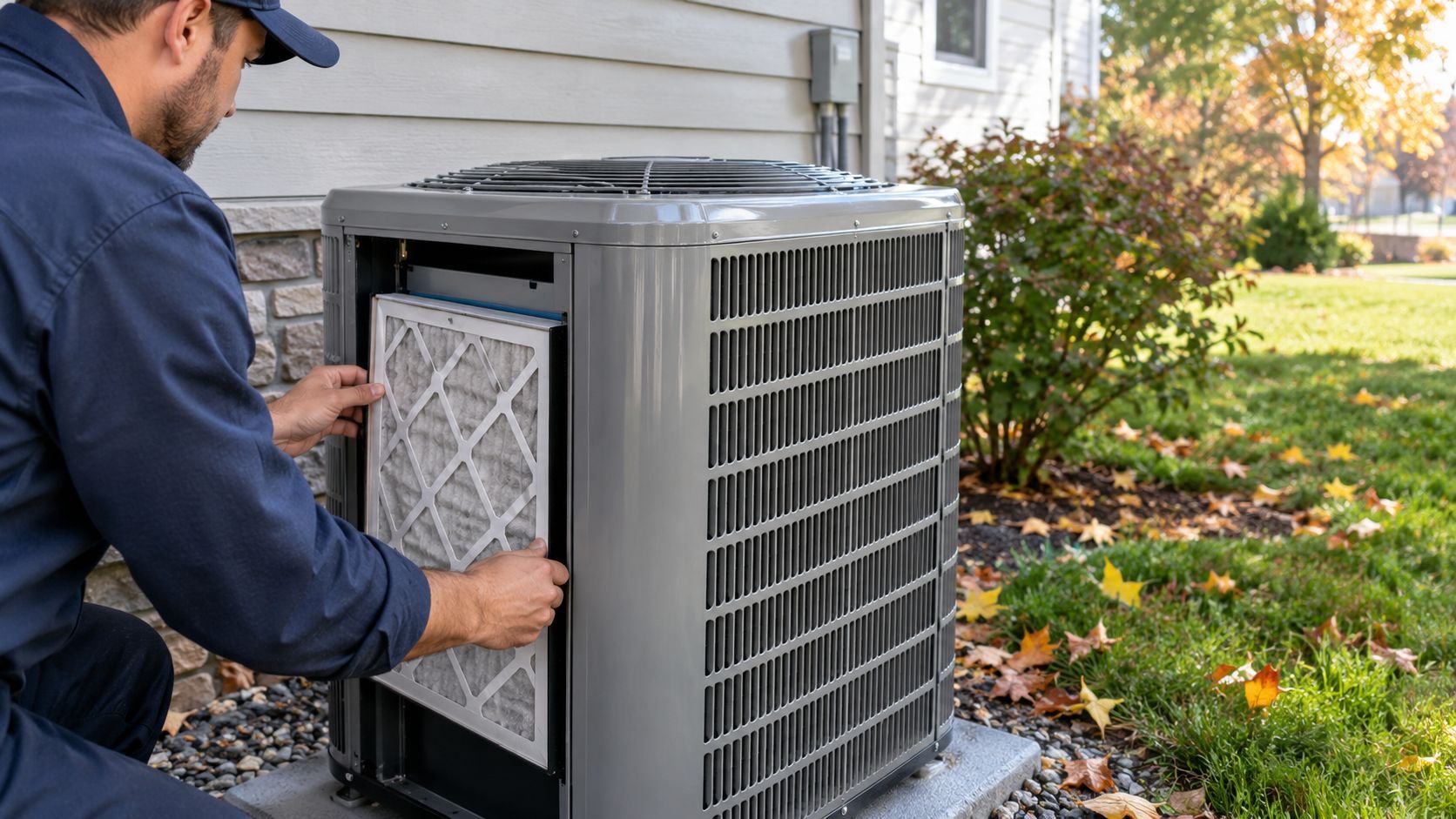
Technician checking a home HVAC system on a mild fall morning before heating season begins.
October 10, 2026
Still running the AC in Huntsville? A fall HVAC checkup before heat season catches filter, airflow, and electrical issues before the first hard cold.
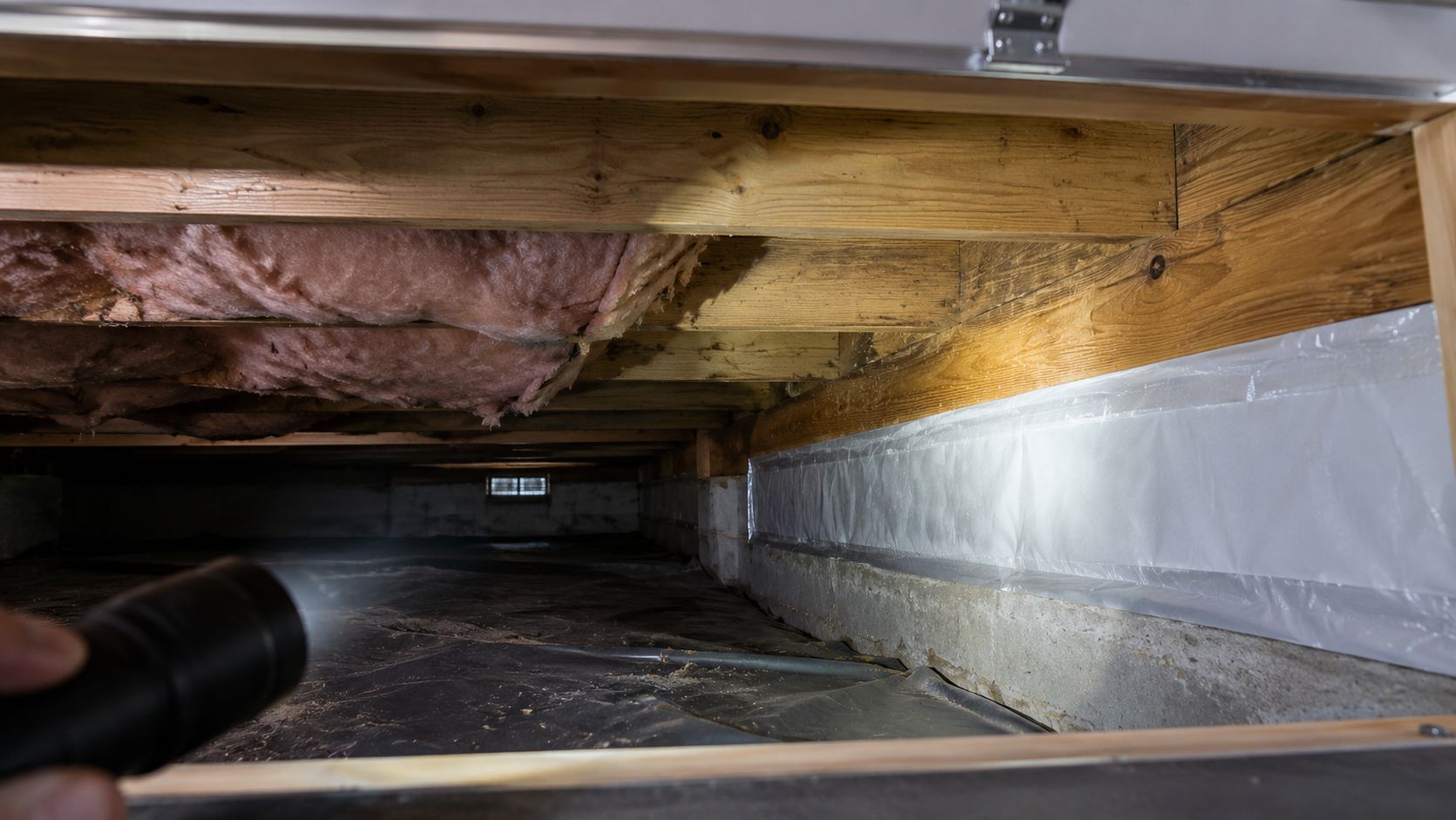
Crawlspace with exposed insulation, wooden joists, and plastic vapor barrier along the wall
October 8, 2026
Cold floors in Arab this October often start in the crawl space. Why air sealing comes before insulation, what to check, and how to get a crawl quote.
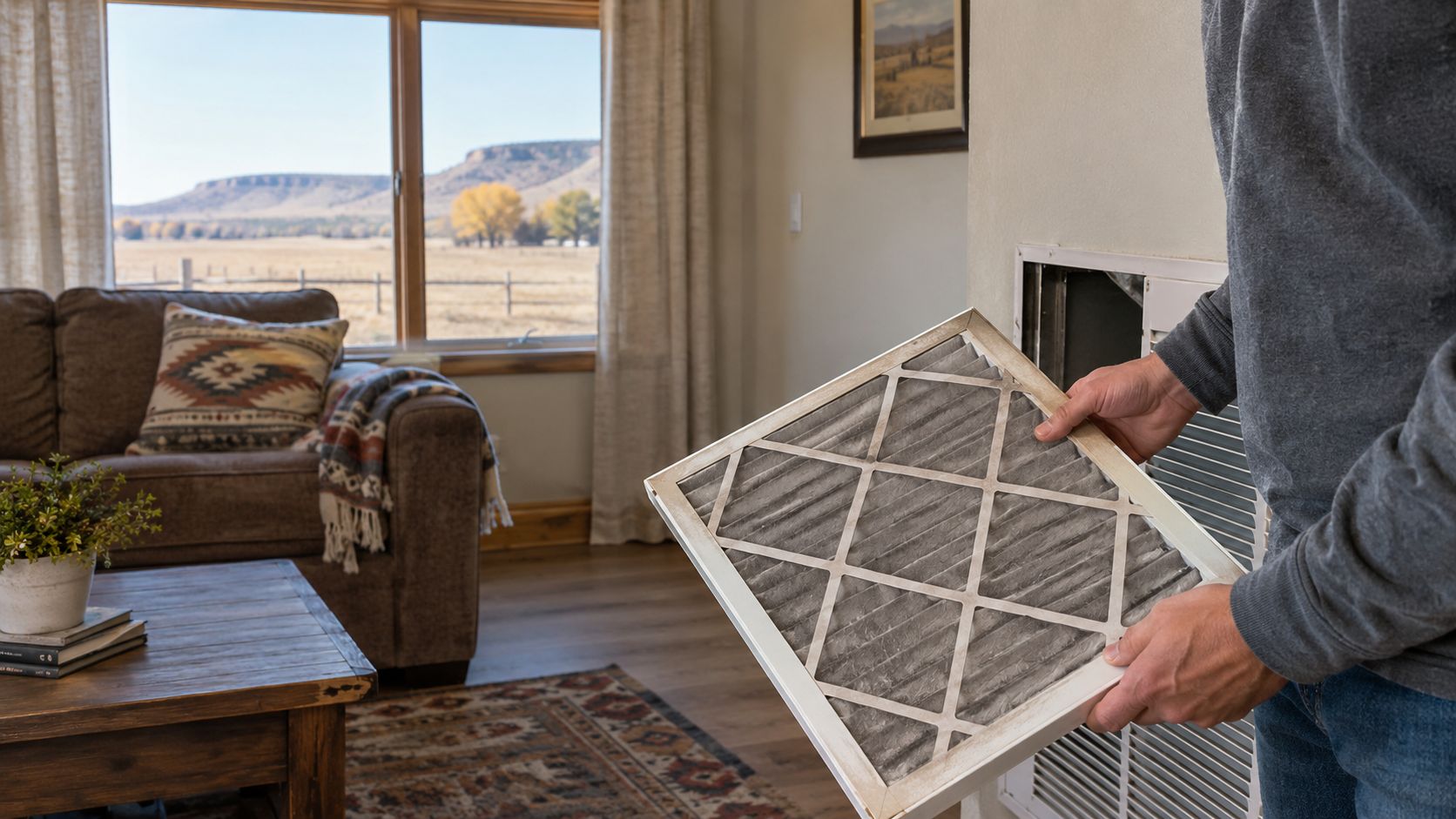
Closed-up living room in early fall on Sand Mountain with a homeowner-visible HVAC filter near the r
October 5, 2026
Ragweed is outdoor pollen. A closed-up Arab house on Sand Mountain still has filtration, humidity, and leaks. Indoor-air controls for Sep–Oct.
Technician checking a home HVAC system on a mild fall morning before heating season begins.
October 10, 2026
Still running the AC in Huntsville? A fall HVAC checkup before heat season catches filter, airflow, and electrical issues before the first hard cold.
Crawlspace with exposed insulation, wooden joists, and plastic vapor barrier along the wall
October 8, 2026
Cold floors in Arab this October often start in the crawl space. Why air sealing comes before insulation, what to check, and how to get a crawl quote.
Closed-up living room in early fall on Sand Mountain with a homeowner-visible HVAC filter near the r
October 5, 2026
Ragweed is outdoor pollen. A closed-up Arab house on Sand Mountain still has filtration, humidity, and leaks. Indoor-air controls for Sep–Oct.

Share this article