
Why a Fall HVAC Checkup Matters in Huntsville Before Heat Season

October 10, 2026


Bring the RH log, the cycle times, and the forecast dew points from the same days. The rest should be measured.

A calm next step if you want data, not a pitch

If you want the smell located with numbers instead of a one-afternoon guess, the offer that matches this question is the Home Air Health Study.


Monitors stay in the home for about seven days. You get a scorecard and the top three moves that fit this house — which may or may not include the crawl. The Study explains what the air is doing. It is not a medical exam, and it does not promise that a product will make a smell disappear.


If you would rather talk it through first, call (256) 203-6612, Monday–Friday, 7:30 a.m.–5:00 p.m. You can also book a visit. Dickerson Services is at 2151 Hopewell Rd in Guntersville and works with homeowners across North Alabama.


Bring where the smell is strongest, when it shows up, and any humidity readings you took. The rest should be measured.

Short answer

A fall checkup matters because your system is finishing a long cooling season and is about to be asked to heat. Early to mid fall, while some afternoons still call for the AC, is the calm window to have airflow, electrical parts, coils, drains, and safety controls checked before the first hard cold.


Waiting until the first cold night means finding problems on the same morning everyone else does. A checkup on a mild day gives you time to fix small things without a rush.

Why the shoulder season is the right window

October in North Alabama is rarely all one thing. Long-term climate normals often put early October afternoons in the upper 70s and nights in the 50s, and late October nights closer to the upper 40s. The first freeze usually arrives later in the fall. Those are averages, not a forecast for your street, but the pattern is familiar: AC on some afternoons, a sweater on some mornings.


That overlap makes fall a practical time for maintenance for three reasons:


  • The cooling season leaves wear behind. Months of long runtimes load up filters and coils, stress capacitors and contactors, and give drain lines time to clog.
  • Heating parts have been idle. Heat strips, burners, the reversing valve on a heat pump, and safety controls may not have run since spring.
  • Mild weather gives you options. If the checkup finds something, you can plan a repair on a calm day instead of on the coldest night of the month.


Our maintenance and tune-ups page puts it simply: most systems benefit from professional maintenance twice a year, usually before summer and before winter. Fall is the before-winter half.

What a fall checkup covers

A Dickerson Services maintenance visit is meant to do more than check a box. Depending on your equipment, a fall tune-up usually includes:


  • Seasonal system inspection. Overall performance, worn components, and anything operating out of the ordinary as the system gets ready to heat.
  • Filter and airflow. Replacing a dirty filter and checking airflow, since restricted airflow adds strain and makes rooms uneven.
  • Thermostat testing. Confirming the thermostat reads accurately and the system responds when it calls for heat or cooling.
  • Coil cleaning. Cleaning condenser and evaporator coils as applicable, so dirt is not dragging down performance.
  • Electrical and safety checks. Connections, capacitors, wiring, safety switches, and operating controls, which are common sources of sudden shutdowns.
  • Drain line and refrigerant evaluation. Checking the condensate drain and refrigerant levels, especially after a humid summer. If you have had water near the indoor unit, see clogged condensate drain line.


If you have a heat pump, the same outdoor unit that cooled the house all summer will be doing the heating, so its condition matters in both seasons. For how heat pumps and air conditioners differ, see heat pump vs air conditioner in North Alabama.

Three things to check before the visit

These are quick, safe homeowner checks. They are not a substitute for a tune-up, but they help you notice problems early and give the technician useful notes.


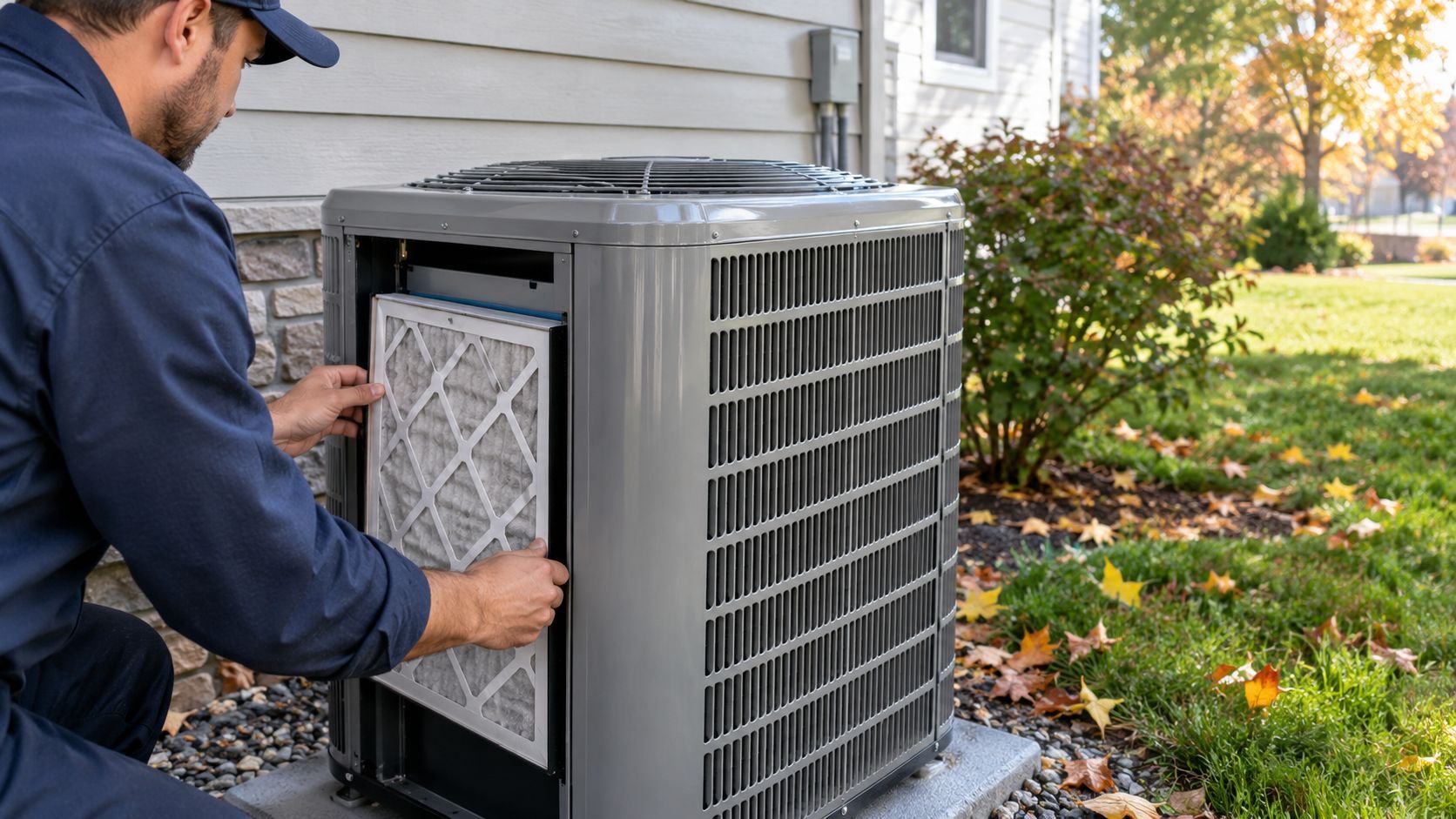
  1. The filter. Pull it and look. If it is gray, clogged, or you cannot remember when it was changed, replace it. Pollen and late-summer dust load filters faster than most people expect. How often to change your HVAC filter covers timing.
  2. The outdoor unit. Clear leaves, grass clippings, and anything stacked against it. Keep a couple of feet of open space around it. Do not open panels or reach inside.
  3. A short Heat trial. On a cool morning that is not an emergency, set the thermostat to Heat a few degrees above the room temperature. Does the system start? Does the air at the registers eventually feel warmer than the room? A faint dusty smell for the first few minutes is common after months off. A smell that lingers, a burning odor, or loud new noises are reasons to turn it off and book a visit. If you ever smell gas, leave the house and call your gas utility from outside.


When you are done, switch back to whatever mode the day needs. On a warm afternoon that may still be Cool. If the house feels close or sticky on mild days, that is a humidity question more than a heating one; September sticky house covers that pattern.

If you skip it, and if you schedule it

Skipping one fall checkup does not mean a system will fail. Many keep running. But small problems tend to show up under load, and in a Huntsville winter the first real load is often a cold night when service calls stack up. A dirty filter, a weak capacitor, or a heat pump that does not switch modes cleanly is easier to handle in October than on the first freezing morning.


Scheduling it gives you a known starting point for the season: clean filter, checked electrical parts, confirmed heat, and notes on anything worth watching.

A calm next step: book the checkup or join the plan

If you want a one-time fall visit, book a visit and ask for a maintenance and tune-up appointment. The maintenance and tune-ups page lists what we inspect.


If you would rather not think about it every season, the Home Air Assurance Plan includes an annual Preventative Maintenance visit with a filter change, priority scheduling, and 10% off repairs. Members pay $0 for the trip when something needs attention. Non-members pay an $85 service call, then only approved repair work.


If your heat already is not working right, skip the tune-up and book a repair visit; our heating repair page covers what that looks like.


If your equipment is older and you are starting to wonder about replacement, the free Initial Comfort Plan is the better fit. The in-home visit is about 60–90 minutes and starts with a comfort assessment of temperature consistency, airflow balance, humidity levels, and indoor air quality. You leave with a written Comfort Options Report. For a closer look at an older system first, see aging HVAC system evaluation.


Call 256-203-6612, Monday–Friday, 7:30 a.m.–5:00 p.m. CT. Dickerson Services is at 2151 Hopewell Rd in Guntersville and serves homes across North Alabama.

Frequently Asked Questions

  • When should I schedule a fall HVAC checkup?

    Early to mid fall, before the first hard cold. That is usually while some afternoons still call for cooling and nights are trending cooler. Booking during mild weather gives you time to fix small issues before the system has to carry the house through a cold night.

  • Is it too early for a heating tune-up if I am still running the AC?

    No, that overlap is the ideal time. The visit checks the wear from a long cooling season and confirms heating parts and controls respond. You can keep using Cool on warm days afterward. Most systems benefit from maintenance twice a year, before summer and before winter.

  • What does a fall tune-up include?

    An inspection of system performance, airflow, the filter, electrical components, coils, the drain line, refrigerant levels, thermostat response, and safety controls. Exactly what applies depends on your equipment. The goal is to catch worn parts and airflow problems before heating season puts them under load.

  • What can I check myself before the visit?

    Check the filter, clear around the outdoor unit, and run a short Heat trial on a cool, non-emergency morning. Confirm the system starts and the registers eventually feel warmer than the room. A brief dusty smell is common at first. A lingering or burning smell, loud new noises, or no heat at all means book a visit.

  • Should I book a tune-up, join the Home Air Assurance Plan, or get an Initial Comfort Plan?

    Book a tune-up for a one-time fall checkup, join the Home Air Assurance Plan if you want maintenance and a $0 trip fee every year, and choose the free Initial Comfort Plan if your equipment is older and you want options. If something is already broken, book a repair visit; non-members pay an $85 service call.

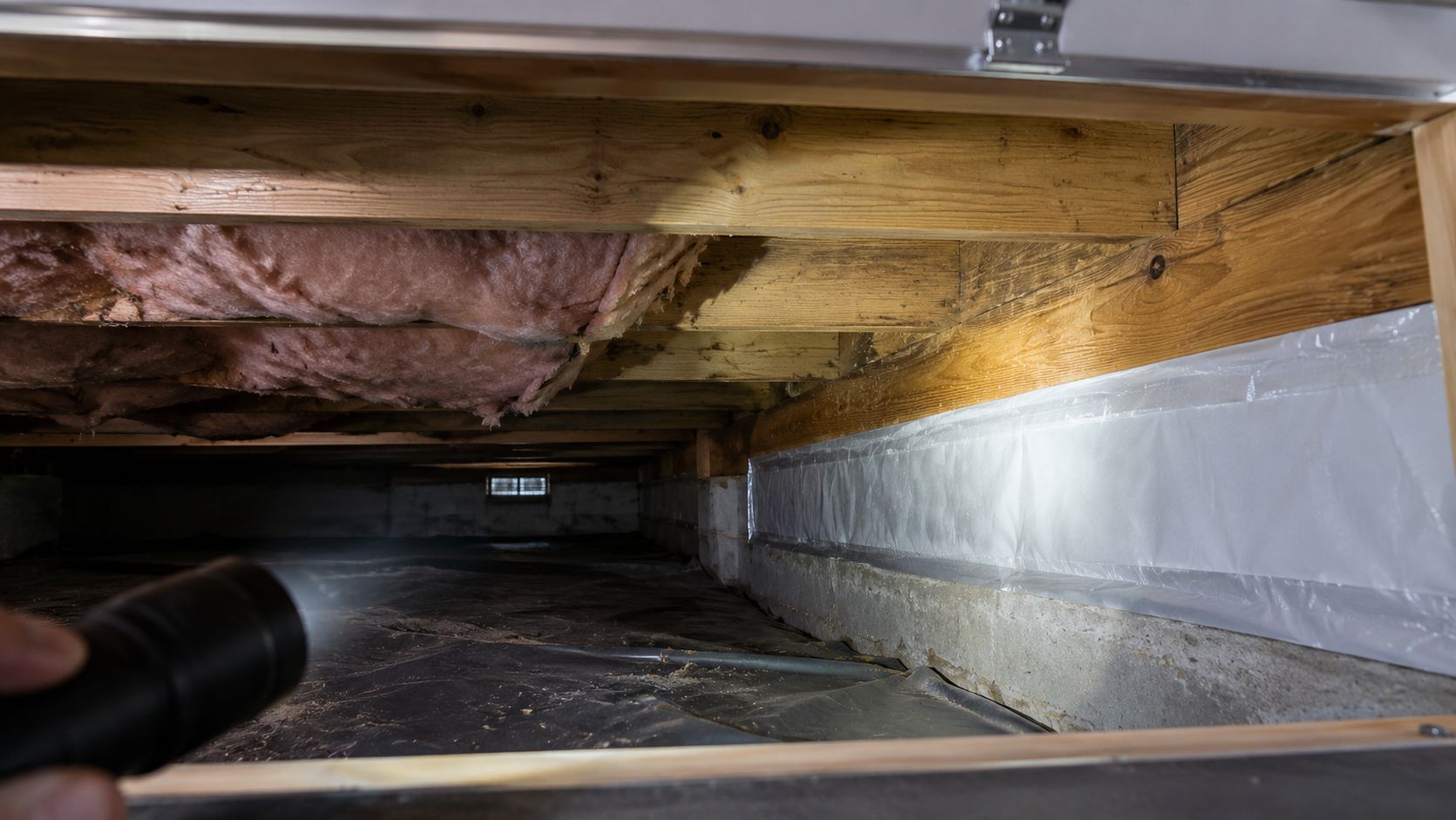
Crawlspace with exposed insulation, wooden joists, and plastic vapor barrier along the wall
October 8, 2026
Cold floors in Arab this October often start in the crawl space. Why air sealing comes before insulation, what to check, and how to get a crawl quote.
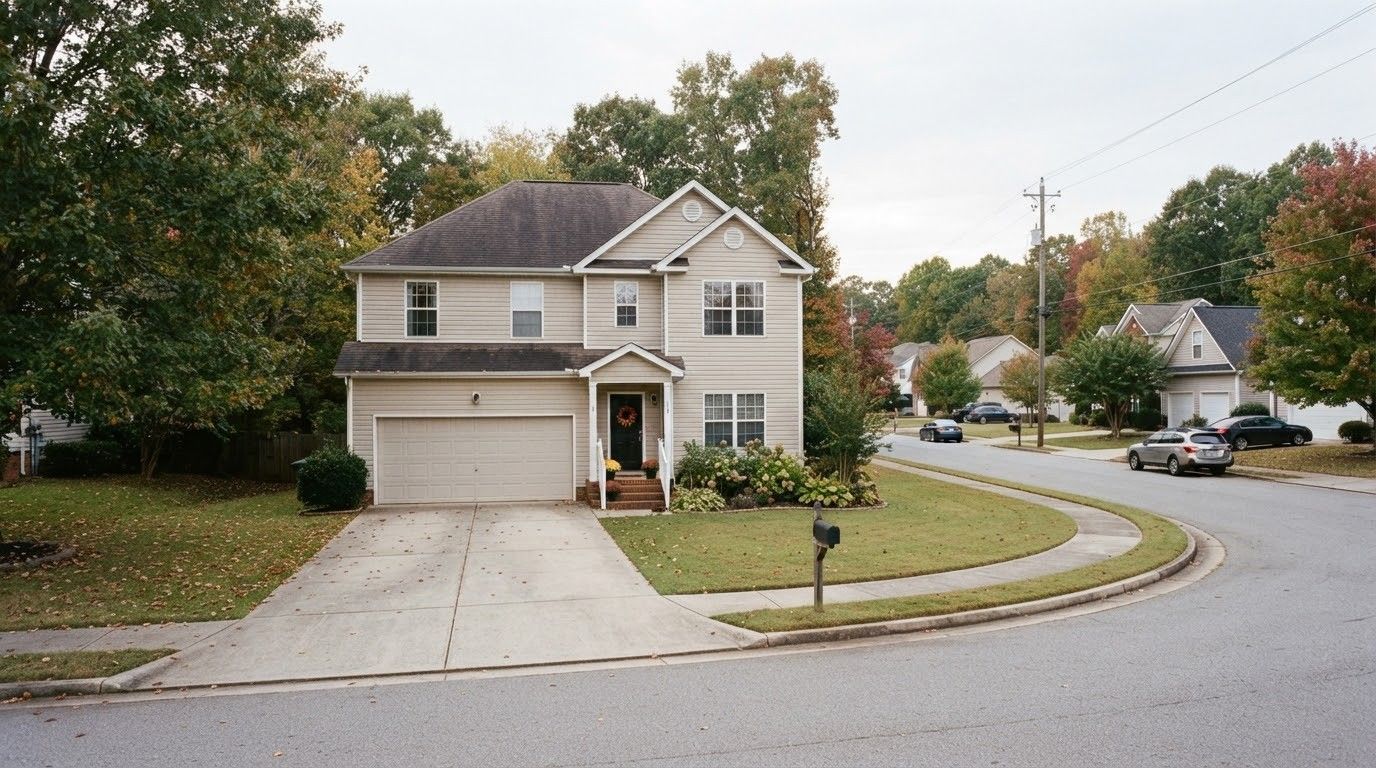
Cool early-fall evening on an ordinary Huntsville metro residential street before
October 6, 2026
Before Huntsville’s first ~50° night, confirm your heat actually runs. Metro and Redstone-area homes, heat pumps included, can test calmly in late Sep–Oct.
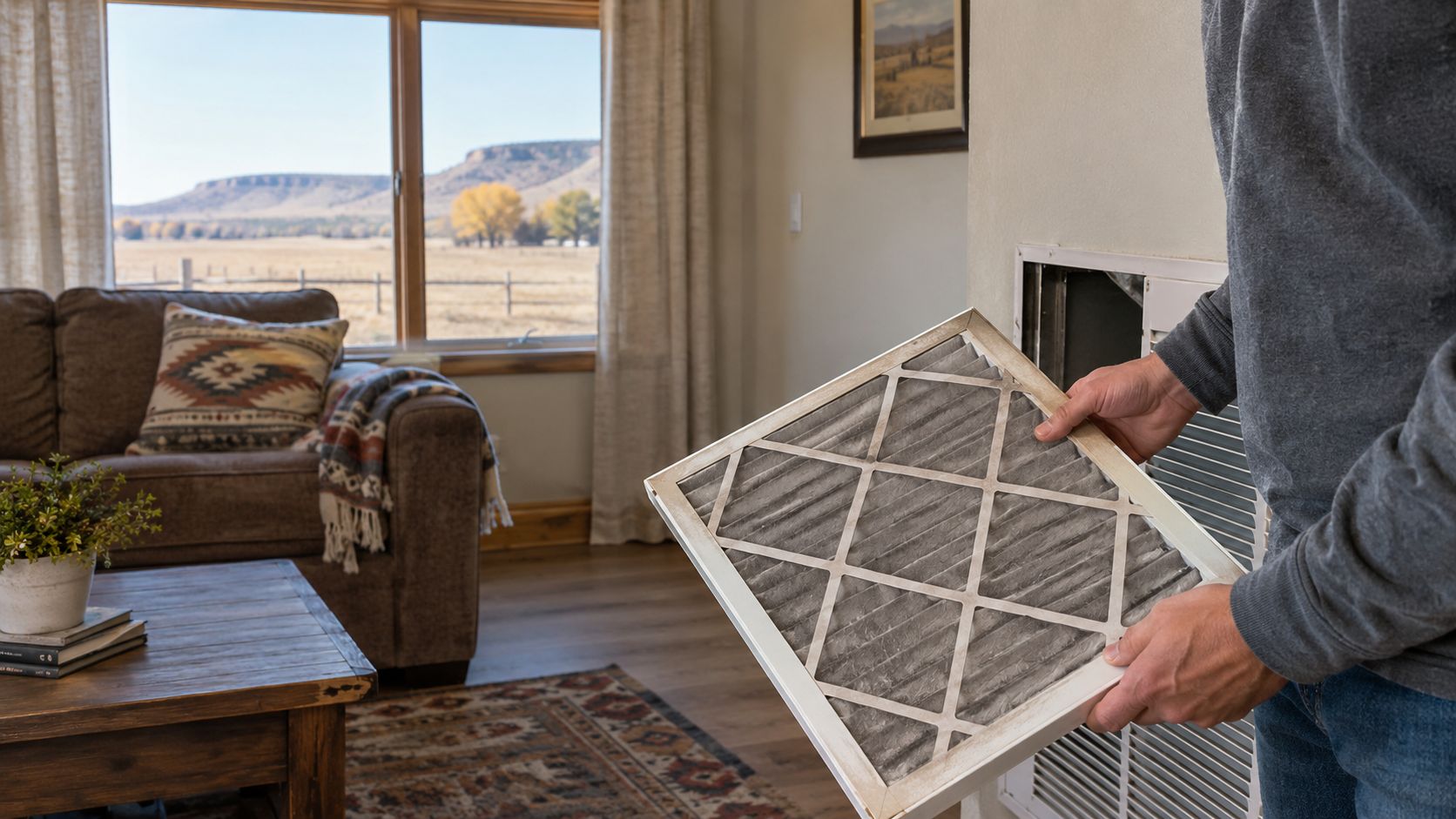
Closed-up living room in early fall on Sand Mountain with a homeowner-visible HVAC filter near the r
October 5, 2026
Ragweed is outdoor pollen. A closed-up Arab house on Sand Mountain still has filtration, humidity, and leaks. Indoor-air controls for Sep–Oct.
Crawlspace with exposed insulation, wooden joists, and plastic vapor barrier along the wall
October 8, 2026
Cold floors in Arab this October often start in the crawl space. Why air sealing comes before insulation, what to check, and how to get a crawl quote.
Cool early-fall evening on an ordinary Huntsville metro residential street before
October 6, 2026
Before Huntsville’s first ~50° night, confirm your heat actually runs. Metro and Redstone-area homes, heat pumps included, can test calmly in late Sep–Oct.
Closed-up living room in early fall on Sand Mountain with a homeowner-visible HVAC filter near the r
October 5, 2026
Ragweed is outdoor pollen. A closed-up Arab house on Sand Mountain still has filtration, humidity, and leaks. Indoor-air controls for Sep–Oct.

Share this article