
Fall Rain and Your Huntsville Crawl Space: What to Look For in the Days

October 31, 2026


Bring the RH log, the cycle times, and the forecast dew points from the same days. The rest should be measured.

A calm next step if you want data, not a pitch

If you want the smell located with numbers instead of a one-afternoon guess, the offer that matches this question is the Home Air Health Study.


Monitors stay in the home for about seven days. You get a scorecard and the top three moves that fit this house — which may or may not include the crawl. The Study explains what the air is doing. It is not a medical exam, and it does not promise that a product will make a smell disappear.


If you would rather talk it through first, call (256) 203-6612, Monday–Friday, 7:30 a.m.–5:00 p.m. You can also book a visit. Dickerson Services is at 2151 Hopewell Rd in Guntersville and works with homeowners across North Alabama.


Bring where the smell is strongest, when it shows up, and any humidity readings you took. The rest should be measured.

After a Storm

If your crawl space looks wet, smells damp, or the house feels heavier for a few days after a fall rain, the water is usually getting there from the outside in: gutters, downspouts, and the slope of the ground around the house. You can check most of that yourself, and fall is when the clues are easiest to see.


Crawl spaces are common in many of Huntsville's older neighborhoods and on rural lots, even though a lot of newer metro homes sit on slabs. If yours has one, the days right after a storm are the best time to look.


We covered the late-summer version of this, with warm sticky air and wet ground working against a vented crawl, in why Arab crawl spaces stay wet after a late-summer rain. This post is about fall: falling leaves, cooler air, and the start of heating season.

Why fall rain can be harder on a crawl than you would expect

  • Leaves fill the gutters. A gutter packed with leaves overflows at the worst spot, usually right along the foundation. One big fall storm on full gutters can put more water against the house than several summer storms.
  • The ground dries more slowly. Shorter days, lower sun, and cooler air often mean wet soil stays wet longer after a fall rain than it would in July.
  • Heating season is starting. In many crawl space homes the ductwork runs underneath. A damp crawl around those ducts is not something you want going into winter.
  • Vents are still open. Foundation vents keep trading air with the outdoors. On damp fall days that air is often carrying plenty of moisture, so the vents rarely help a wet crawl dry out.

What you can see from the yard

Walk the outside of the house during or soon after a rain. You are looking for where the water goes.


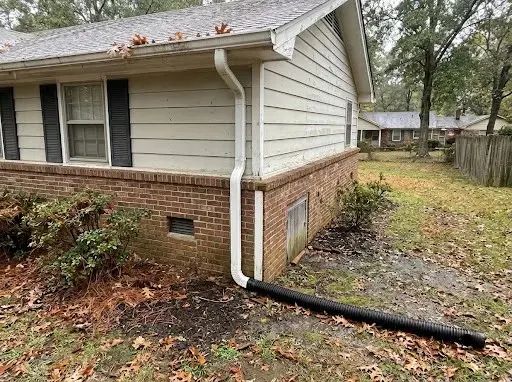
  • Overflowing gutters. Water sheeting over the edge, leaves visible at the lip, or a splash line in the mulch or soil below.
  • Downspouts that end at the foundation. If the water exits right beside the wall, much of it can soak down along the foundation and into the crawl.
  • Puddles near the house. Water that sits against the foundation for hours after the rain stops usually means the ground slopes toward the house, or the soil has settled.
  • Washed-out mulch or bare soil under a roof valley or a spot where two roof lines meet.
  • Damp or darker foundation block near the ground that stays that way after the rest of the wall dries.


Clearing gutters, adding downspout extensions, and filling low spots so the ground slopes away from the house are often the cheapest moisture fixes a crawl space home can make. They come before anything else under the house.

What you can see from the crawl hatch

Open the hatch a day or two after a rain, with a good flashlight. Stay at the opening. Do not crawl into a tight, wet, or unsafe space.


  • Standing water or puddles on the ground or plastic, especially near the walls.
  • Dark, damp soil where bare dirt shows, or water pooled on top of a ground cover.
  • White, chalky crust on the block walls. That is often efflorescence, minerals left behind as water moves through masonry. It points to water coming through the foundation.
  • Sagging or fallen insulation between the floor joists. Fiberglass batts that stay damp tend to sag and drop.
  • Rust on duct straps, boots, nails, or pipe hangers.
  • A damp, musty smell stronger at the hatch than inside the house. How to tell if a musty smell is coming from the crawlspace walks through locating it.


Take a few phone photos. Pictures from the same spot after two or three storms show whether the problem repeats, and they are useful when you book a quote.

What you might notice inside

  • The house feels heavier or damper for a few days after each rain.
  • A faint musty smell near floor registers or in rooms over the crawl.
  • Floors that feel cooler than they should. Much of that is air leaking under the floor, covered in why floors feel cold in October.
  • An indoor hygrometer that climbs after storms. Keep indoor relative humidity under 60 percent; many homes feel comfortable around 45 to 55 percent. See what indoor humidity should be in a North Alabama home.

What usually helps, in order

  1. Get the water away from the house. Clean gutters, extend downspouts, and fix low spots and grading. This is the first step for any wet crawl.
  2. Deal with any standing water. If water still collects under the house after the outside is fixed, drainage inside the crawl may be needed.
  3. Cover and seal the ground. A sealed vapor barrier keeps the soil from evaporating into the crawl.
  4. Manage humidity in the space. In this climate that usually means a sealed crawl with a way to keep it dry, rather than more venting. The tradeoffs are in vented versus encapsulated crawl spaces in Alabama.


Two things that usually do not help on their own: closing the foundation vents without covering the ground and managing humidity, which can leave a damp crawl worse, and adding a bigger dehumidifier upstairs while water keeps arriving underneath. The broader causes of a humid house are in what causes high humidity in your Alabama home.

If you wait

A wet crawl after one storm is not an emergency. But a crawl that gets wet after every rain tends to show it over time in sagging insulation, rusty ductwork, damp framing, and a house that never quite feels dry. Fixing gutters and downspouts this fall is inexpensive compared with dealing with damp wood later, and it is easiest to see the problem now, while the storms are coming through.

A calm next step

If you see standing water, white crust on the block, sagging insulation, or the house feels damper after each rain, book a free crawl space quote. We look at the crawl, the drainage around the house, and the ductwork underneath, and explain what would actually help, from gutter and grading fixes to sealing and moisture control. You can book a visit online. More on how we approach the space is on our crawl space encapsulation and moisture control page.


If the bigger question is what the indoor air is doing, the Home Air Health Study places monitors in the home for about seven days and gives you an Air Health Scorecard with the top three next moves. We do not diagnose medical conditions. And if your system has not been looked at before heat season, see fall HVAC checkup before heat season in Huntsville.


Call 256-203-6612, Monday-Friday, 7:30 a.m.-5:00 p.m. CT. Dickerson Services is at 2151 Hopewell Rd in Guntersville. Bring your storm photos.

Frequently Asked Questions

  • Is it normal for a crawl space to be wet after a rain?

    A little dampness right after a heavy storm can happen, but a crawl that has standing water, or stays wet for days after every rain, usually means water is being directed toward the house. Gutters, downspouts, and grading are the first places to look.

  • Why does my crawl space stay wet longer after fall storms?

    Fall leaves clog gutters so water spills at the foundation, and cooler, shorter days usually dry the soil more slowly than summer. Foundation vents also keep bringing in damp outdoor air. Together, that can keep a crawl wet well after the rain stops.

  • What is the white crust on my crawl space walls?

    It is often efflorescence, mineral deposits left behind when water moves through block or concrete and evaporates. It is not usually harmful by itself, but it is a sign that water is coming through the foundation, which is worth tracing back to drainage outside.

  • Should I close my crawl space vents for the winter?

    Closing vents by themselves is not a moisture fix. Without a sealed ground cover and a way to manage humidity, a closed-up wet crawl can stay damp. Start with water coming from outside, then look at whether sealing and moisture control make sense for your crawl.

  • What does a free crawl space quote include?

    We look at the crawl space, the drainage around the house, and the ductwork and insulation underneath, then explain the options that fit what we find. There is no charge for the quote, and you will know what we would recommend and why before you decide on anything.

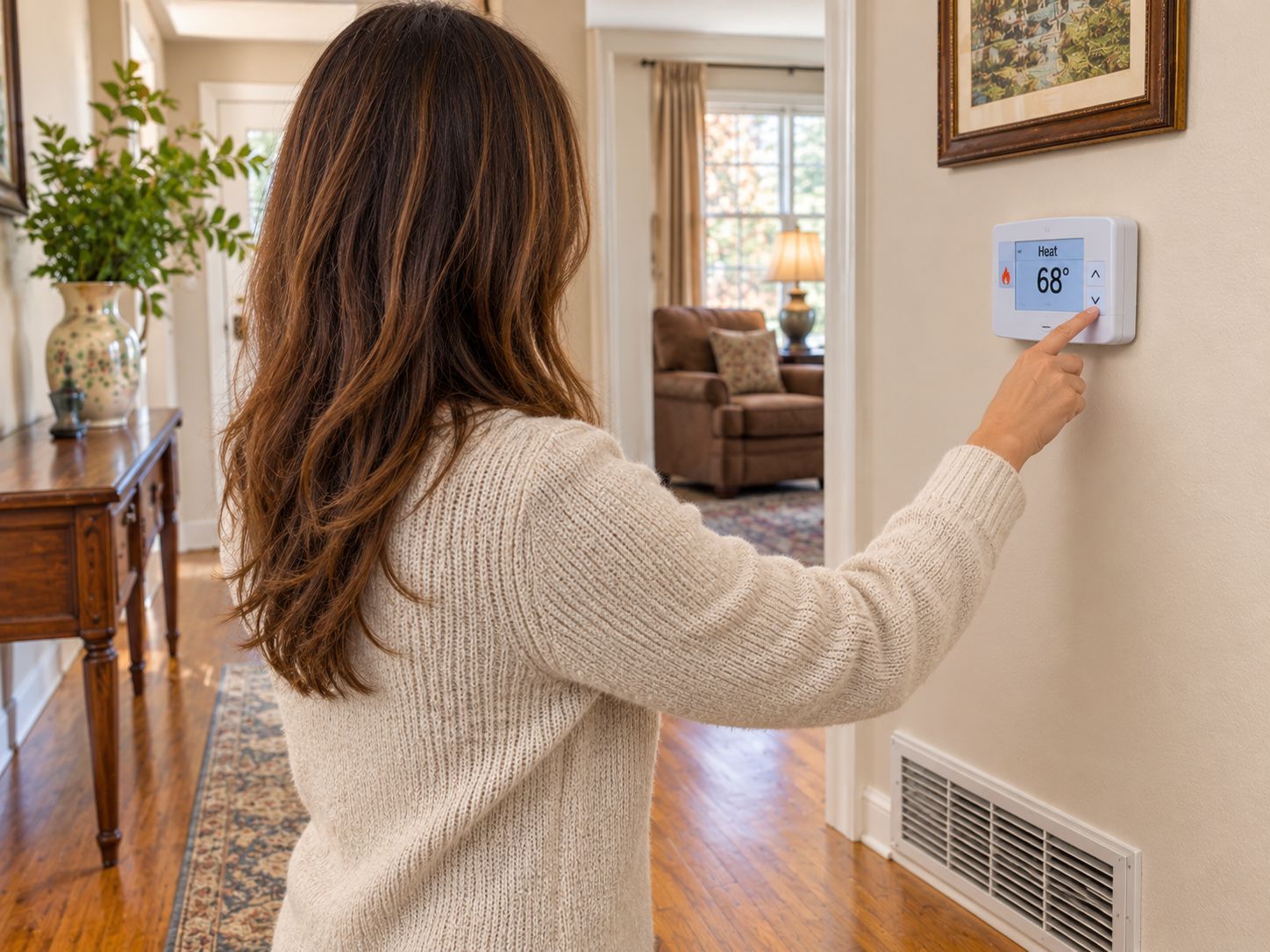
Thermostat set to heat on a cool fall morning beside a floor register in an older Arab home.
November 3, 2026
When the heat first runs in Arab, the timing of the smell says a lot. How to sort dust, musty, and shut-it-off smells for heat pumps and gas furnaces.
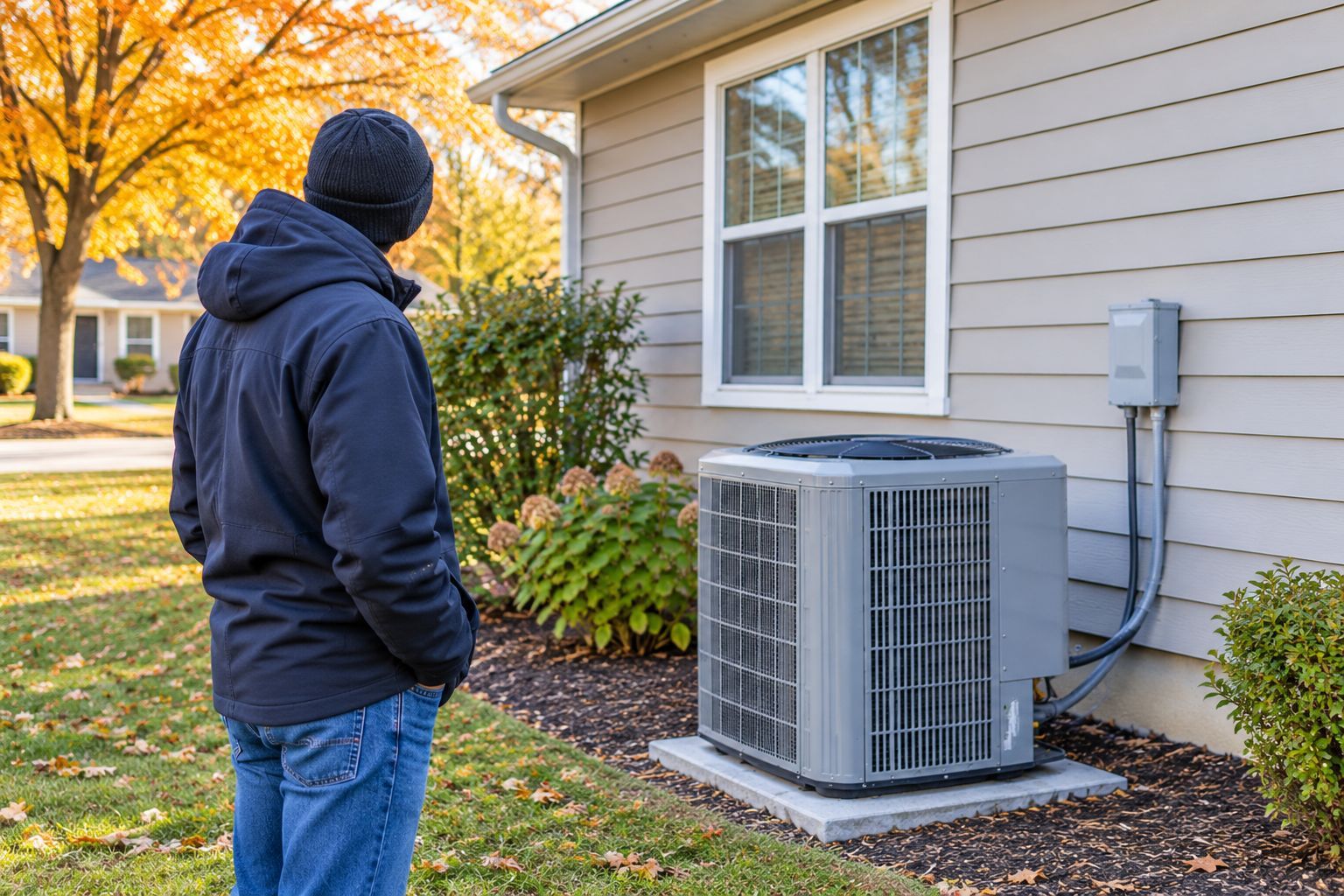
Homeowner checking a heat pump beside an older Arab, Alabama home in fall.
October 29, 2026
Before Arab's first frost or first night in the 30s, run a 15-minute heat test: thermostat mode, aux vs emergency heat, defrost, outdoor unit, filter, ducts.
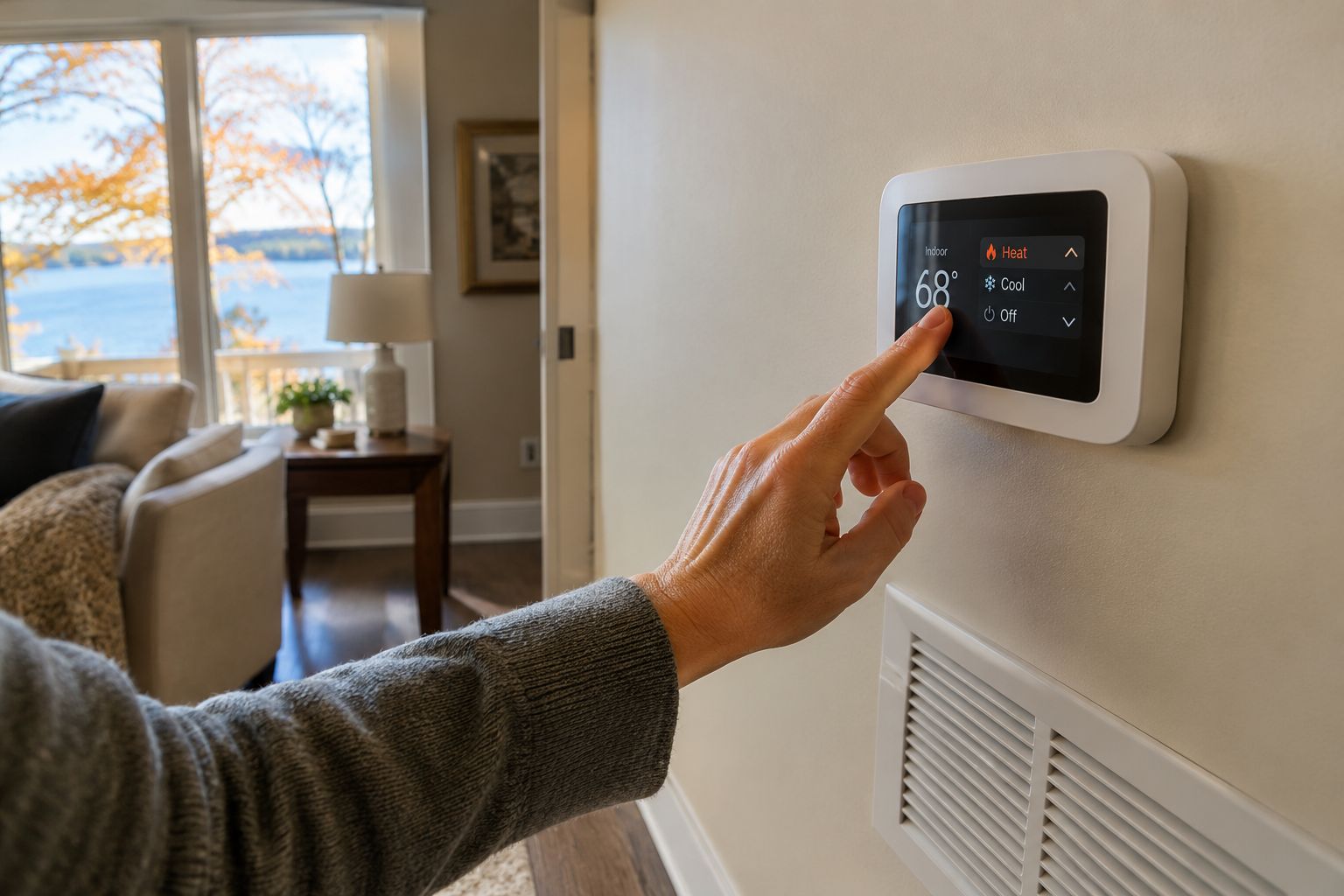
Homeowner switching a thermostat to heat for the first time on a cool fall morning in a Guntersville
October 27, 2026
Dust, musty, or burning? What the first heat smell of fall usually means in a Guntersville home, when it should fade, and when to shut it off and call.
Thermostat set to heat on a cool fall morning beside a floor register in an older Arab home.
November 3, 2026
When the heat first runs in Arab, the timing of the smell says a lot. How to sort dust, musty, and shut-it-off smells for heat pumps and gas furnaces.
Homeowner checking a heat pump beside an older Arab, Alabama home in fall.
October 29, 2026
Before Arab's first frost or first night in the 30s, run a 15-minute heat test: thermostat mode, aux vs emergency heat, defrost, outdoor unit, filter, ducts.
Homeowner switching a thermostat to heat for the first time on a cool fall morning in a Guntersville
October 27, 2026
Dust, musty, or burning? What the first heat smell of fall usually means in a Guntersville home, when it should fade, and when to shut it off and call.

Share this article