
What Causes High Humidity Inside a Home in Alabama?
June 9, 2026
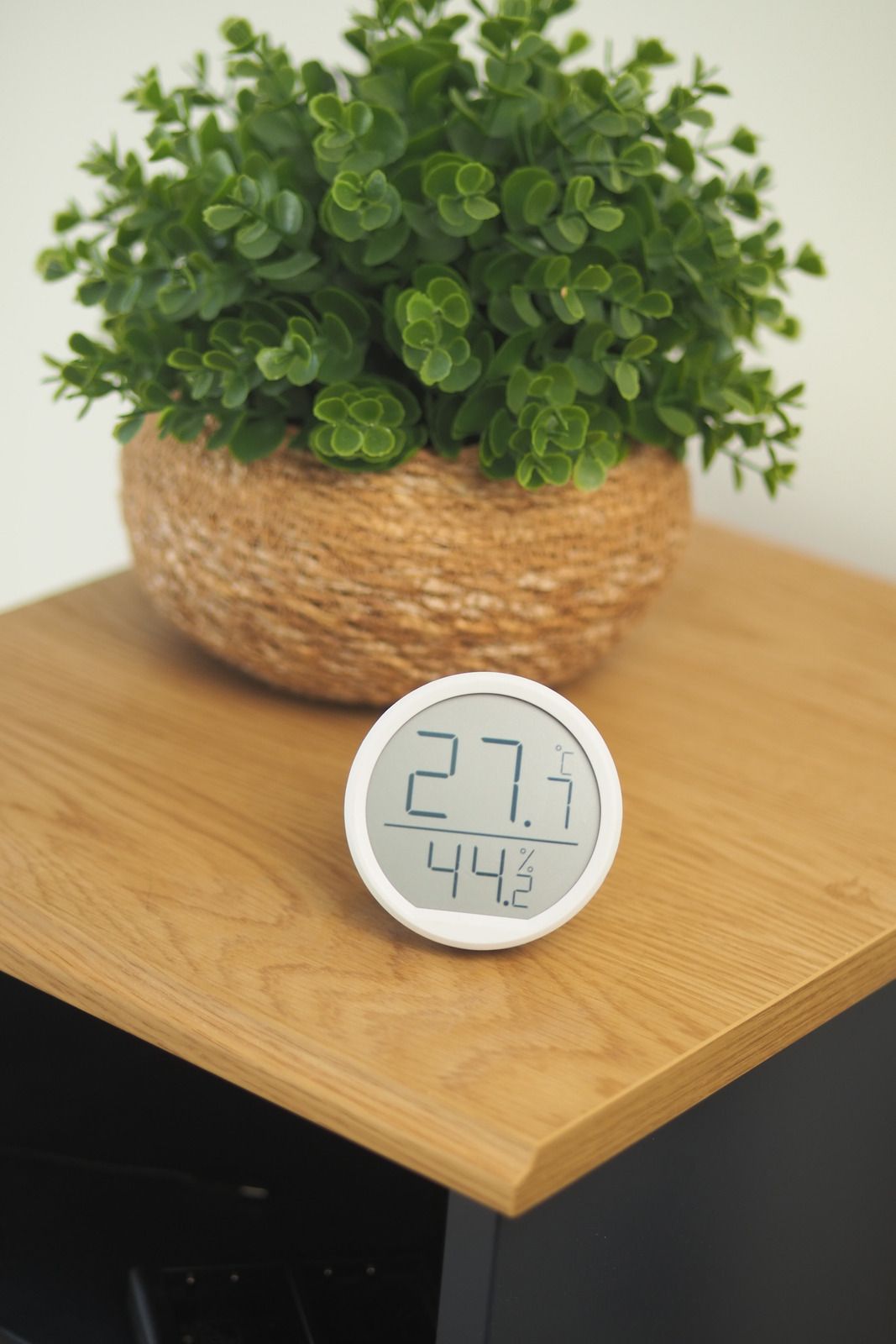
Why your Guntersville home feels sticky, even with the AC running
Quick summary:
If your Alabama house feels humid inside, it’s almost never “just the weather.” It’s usually a mix of three things working against you:
- The way the HVAC system is sized and set up
- Where moisture is being created inside the home
- How much outside air is leaking in through the shell and duct system
When those three aren’t under control, you get a home that feels damp, clammy, and uncomfortable, even when the thermostat says the “right” temperature.
Alabama humidity 101: why our homes struggle more
Guntersville and the surrounding areas (Huntsville, Arab, Albertville) live in high‑humidity territory most of the year. That means:
- Outdoor air is already loaded with moisture
- Any leaks in your home’s shell or ductwork are basically a moisture delivery system
- AC systems have to remove both heat and water from the air, and most are not set up to do that well
So yes, the climate matters – but the real issue is how your house + HVAC handle that climate.
The 3 main causes of high indoor humidity in Alabama homes
You can boil almost every “my house feels humid” situation down to three buckets:
- HVAC equipment problems
- Source control problems (where the moisture is coming from)
- Air leakage problems (uncontrolled outside air coming in / inside air leaking out)
Let’s walk each one.
1. HVAC equipment issues that drive humidity problems
Oversized HVAC: cool but clammy
Most HVAC systems are oversized. That means:
- The system cools the house down too quickly
- It shuts off before it’s had time to wring the moisture out of the air
- Result: the house might feel cool, but it still feels sticky, heavy, or “swampy”
You get short, powerful bursts of cooling instead of long, steady runs that properly dehumidify.
Red flags of an oversized system:
- The AC kicks on and off frequently (short cycling)
- Some rooms get very cold quickly while others still feel muggy
- You feel clammy even when the thermostat shows a reasonable temperature
Strong opinion: Most HVAC is oversized. It’s incredibly common for systems to be selected off “rules of thumb” instead of real design and load calculations.
Poorly set up or faulty HVAC systems
Even if the size is right on paper, improper setup can wreck humidity control:
- Wrong fan speed settings
- Incorrect refrigerant charge
- Poor coil performance
- Wrong thermostat or control settings
- Lack of true dehumidification strategy
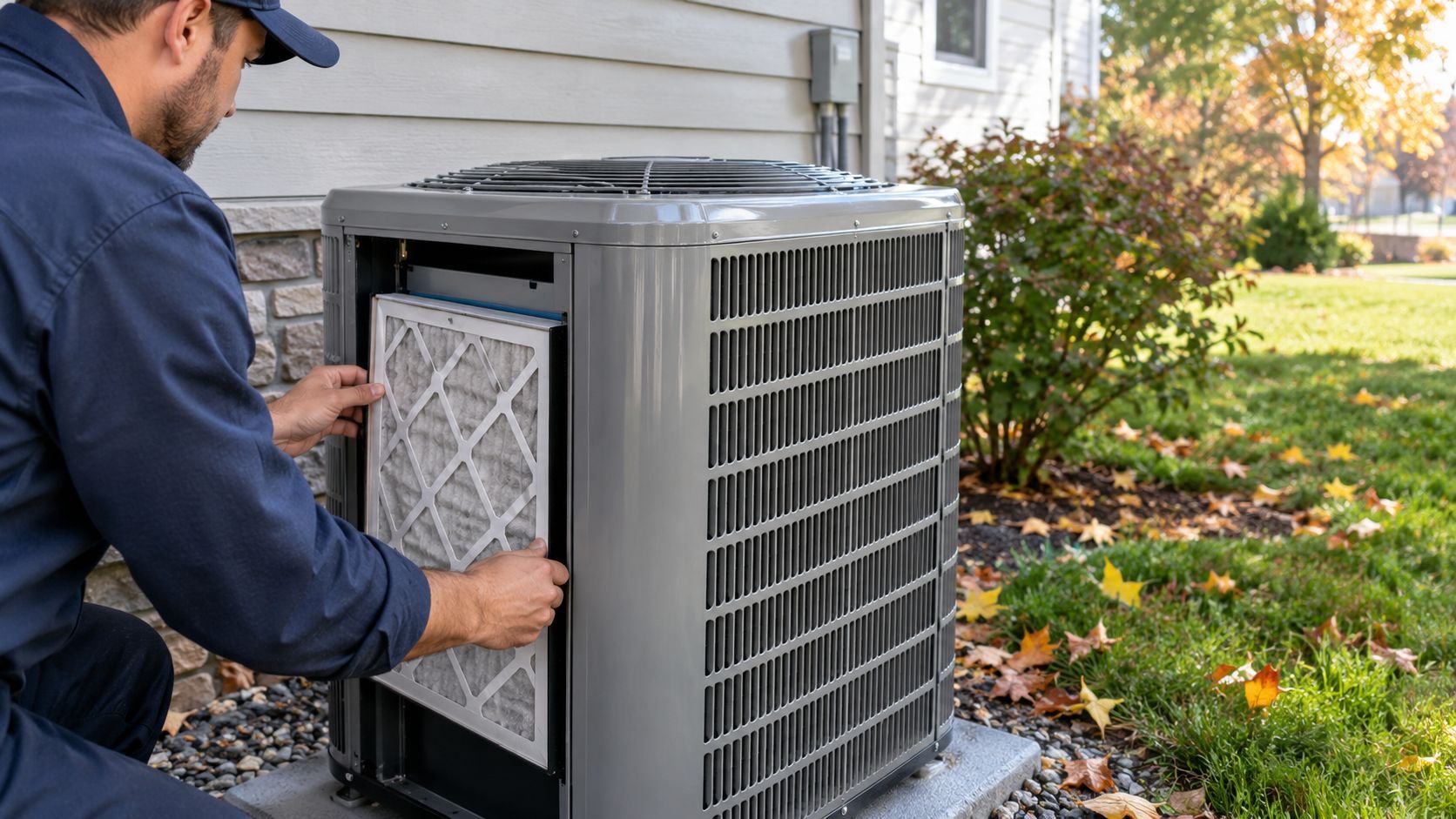
A lot of new systems are not performing anywhere near their potential. The Department of Energy has found that a very high percentage of brand‑new residential HVAC installs have significant, detectable faults, many of them tied to ductwork design and installation quality. That means most systems are not actually doing what the homeowner paid for.
When you stack “oversized” on top of “improperly set up,” you get the perfect recipe for a humid house.
2. Air leakage: when your house is literally sucking in humidity
Even if the HVAC is perfect, a leaky house or leaky duct system can pull in huge amounts of humid air.
A leaky home shell
If your home has a lot of uncontrolled openings, you can have:
Humid outside air getting pulled in through gaps, cracks, and penetrations
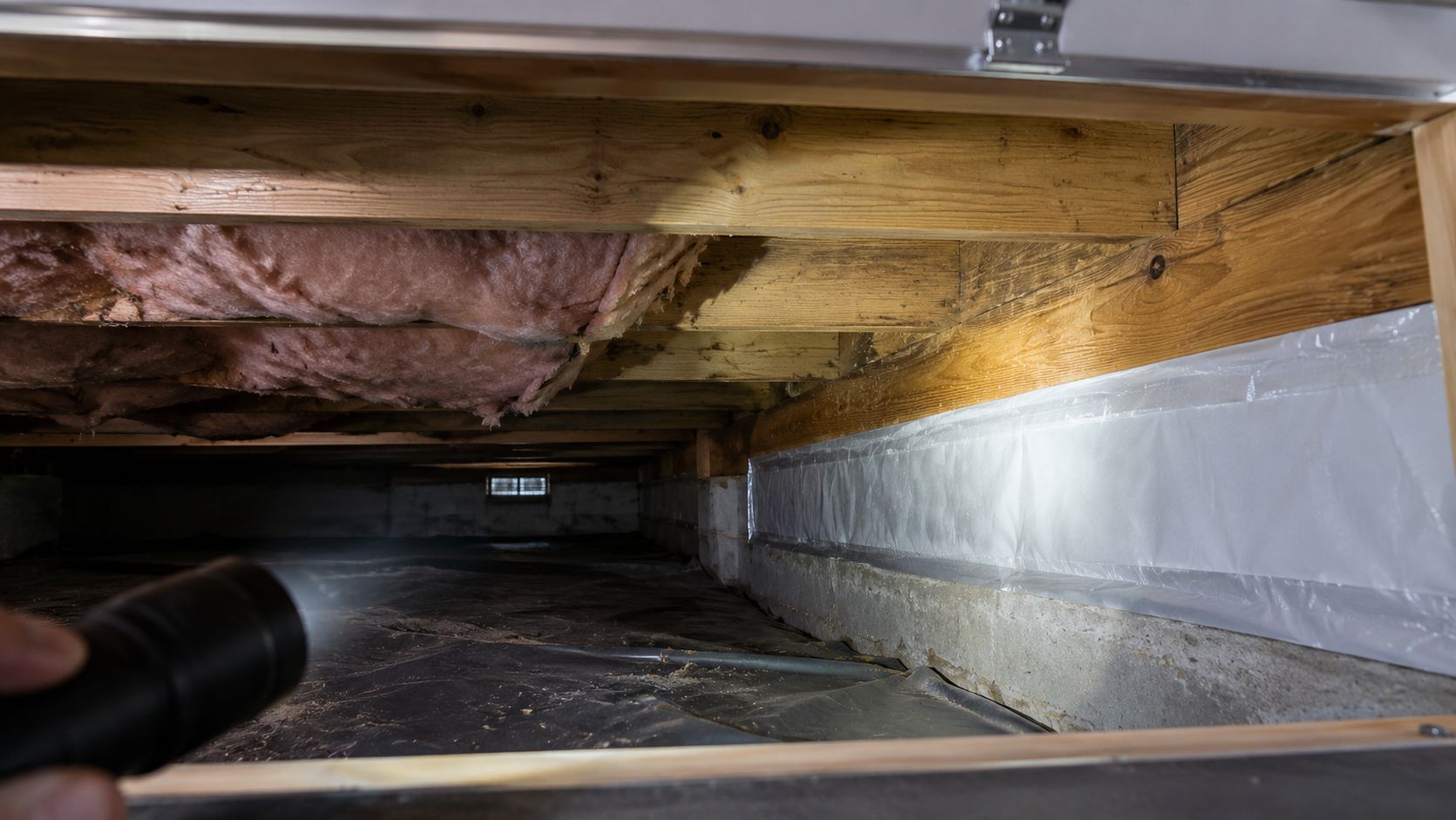
Moist air from a vented crawlspace moving up into the living space
Attic or wall cavities that constantly “share” air with the indoors
Over time, that extra moisture overwhelms what the HVAC can remove.
Leaky ductwork
Leaky ductwork is a silent humidity killer:
- Supply leaks in attics or crawlspaces waste conditioned air
- Return leaks suck in hot, wet air from those same spaces
- Your system then has to cool and dehumidify that air instead of just your indoor air
So even if the equipment is technically capable, bad ducts can make the house feel humid and uneven.
3. Source control: where the humidity is actually coming from
Not all moisture comes from outside. Some of it is made inside your home:
- Long hot showers without proper ventilation
- Cooking without exhaust fans
- Open crawlspaces or damp basements
- Laundry and drying racks indoors
- Plumbing leaks or standing water
If you don’t deal with where the moisture is created, your HVAC is constantly playing catch‑up.
The crawlspace encapsulation myth
A big one in Alabama:
“If I encapsulate my crawlspace, that will fix my humidity problems in the house.”
Truth: Encapsulating the crawlspace is a big step in the right direction and can help a lot, but it only addresses one part of the picture.
Crawlspace work mainly affects:
- How much moisture can move from under the home into the living space
- How much air leakage happens between the crawlspace and the house
But there are three critical pieces to real humidity control:
HVAC equipment
- Size, setup, and controls
- Whether it’s actually dehumidifying properly
Source control
- Showers, cooking, leaks, standing water, venting
Air leakage
- Holes and pathways in the home’s shell
- Duct leaks pulling humid air into the system
If you fix the crawlspace but your HVAC is still oversized and your ducts are still leaking, the house can still feel humid. Crawlspace work is powerful, but it’s not a magic wand.
Why a real diagnostic beats guessing (and endless gimmicks)
Most homeowners are trying random things:
- Buying portable dehumidifiers
- Running ceiling fans more
- Swapping thermostats
- Throwing UV lights or gadgets at the problem
The problem is they’re working backwards: trying solutions before they’ve had a real diagnosis.
A proper humidity fix in a place like Guntersville should start with thorough testing. That means:
- Measuring how the HVAC system actually performs in the real world
- Testing duct static pressure and airflow, not just looking at the equipment tag
- Looking at shell leakage, room pressures, and where humid air is getting in
- Mapping where the moisture is being created and how it moves through the home
That’s the entire point of a Comfort Consult: a structured, two‑visit diagnostic and planning process that measures the air AND the house, then gives you a clear plan instead of random guesswork. Paid diagnostics work because they reveal the real problem, which is exactly the kind of issue that gets worse the longer you wait. [$100M Leads, Page 35]
What happens if you ignore high indoor humidity?
If you do nothing, humidity problems usually don’t stay the same. They slowly get worse:
- Musty odors that start in one area spread through the house
- Mold risk rises in closets, bathrooms, and low‑airflow spots
- Wood floors, trim, and furniture can warp or swell
- AC runs longer, uses more energy, and still doesn’t feel great
- Health symptoms like allergies and respiratory irritation can increase
High humidity is not just about comfort. It’s about air health and the long‑term condition of your home.
Common homeowner questions about humidity (and straight answers)
1. What happens if I do nothing?
If you ignore it, the symptoms usually worsen over time:
- Comfort declines: the house feels stickier and more oppressive in summer
- Surfaces stay damp longer, raising mold and mildew risk
- Materials like wood, paint, and drywall start showing damage
- The fixes get more expensive the longer you wait
Humidity problems are rarely “static.” They tend to compound.
2. Will my mini split’s “Dry Mode” fix this?
Very unlikely.
One of the Achilles heels of many mini splits is their limited ability to truly dehumidify, especially when used the way most people use them. Even in “Dry Mode,” they are still primarily temperature machines, not dedicated dehumidifiers.
They can help a little, but if the root problem is:
- Oversized or poorly set up equipment
- A leaky home or leaky duct system
- Major moisture sources inside the house
…then Dry Mode alone is not going to fix it.
3. I have a lot of issues. Can we fix them in steps, or do I have to do everything at once?
You absolutely can phase the work.
What I’ll typically do in a Comfort Consult is:
- Map out all the major contributors to your humidity and comfort problems
- Prioritize them in a step‑by‑step plan, from highest impact / lowest risk first
- Give you a clear sequence so we can tackle them one at a time if needed
You just need to be okay with:
- A “trial‑and‑error” phase where we implement one or two steps
- Re‑evaluating results, then going to the next step
- Understanding that partial work = partial relief
If you want everything fixed instantly with maximum certainty, you do more of the plan at once. If you want to spread cost out, we can phase it, as long as you accept that the problem may get blunted rather than completely solved right away.
4. Can I just use portable dehumidifiers?
Yes, portable dehumidifiers can work well in certain situations.
Pros:
- Lower upfront cost
- Easy to plug in and move around
- Can provide noticeable relief in specific rooms
Cons:
- You might need several units to impact a whole home
- Without internal pumps, you’ll be emptying buckets constantly
- They don’t fix the root causes: HVAC setup, leakage, or major moisture sources
I see portable units as a band‑aid or supplement, not a full‑house solution for most Alabama homes.
When to call for help about humidity in your home
You don’t need to wait until there’s visible mold or warped floors to act. It’s worth reaching out if:
- Your house often feels clammy or sticky even with AC running
- You see condensation on windows or cold surfaces
- You notice musty odors that don’t go away
- Certain rooms in your Guntersville, Huntsville, Arab, or Albertville home are always humid or uncomfortable
At that point, it’s cheaper and smarter to measure first, then fix.
Your next step if your house feels humid in Guntersville
If your home in Guntersville or the surrounding areas feels humid and uncomfortable, you don’t need another gadget. You need a plan based on measurements, not guesses.
That’s exactly what my Comfort Consult is designed to do:
- Two‑visit, deep‑dive diagnostic on your home and HVAC
- Testing, measurements, and a clear explanation in plain English
- A prioritized roadmap of fixes you can do all at once or in phases
Call now if you want direct help with your humidity problem.
If you want ongoing eyes on your system and priority service, you can also ask about my
membership program, which is built for homeowners who want their comfort, humidity, and air health managed proactively instead of only when something breaks.
Climate and Plant Selection
Selecting appropriate vegetation is crucial for the success of green roofs in the Mid-Atlantic region. Native and drought-tolerant plants are ideal, ensuring survival during dry spells and high-intensity storms. Sedums, grasses, and other hardy species maintain runoff retention and resist seasonal stress, supporting regulatory compliance throughout the year.
Share this article