Cold Floors in Your Huntsville Home? Find the Air Leaks Under the House Before You Add Insulation
November 10, 2026

If your floors feel cold even though the thermostat says the room is warm, the problem is usually air moving under and through the floor, not too little insulation. Cold outdoor air gets into the crawl space, finds gaps into the floor framing, and cools the wood you are standing on.
That is why the order of the fix matters: seal the air leaks and control moisture first, then insulate. Plenty of Huntsville homes, especially in older neighborhoods and on rural lots, sit over crawl spaces, and cold floors are a common winter complaint in those homes.
Why the floor and the thermostat disagree
The thermostat measures air a few feet off the floor, usually on an interior wall. Your feet are measuring the subfloor. Warm air rises, so the air at the thermostat can be comfortable while the floor sits several degrees cooler. When cold air is also moving under that floor, the gap gets bigger.
Turning the heat up warms the air near the ceiling more than it warms the floor. It costs more and often does not fix how the room feels.
Long-term climate normals often put November lows around Huntsville somewhere in the upper 30s to low 40s, so this complaint usually ramps up as the nights get colder. That is a typical range, not a forecast.
The house pulls air up from below
In cold weather, warm indoor air rises and leaks out near the top of the house: around attic hatches, recessed lights, and top-floor gaps. That air has to be replaced, and a lot of the replacement air comes in low. In a crawl space home, "low" means the crawl. Two-story homes tend to feel this more, because the taller the house, the stronger that upward pull.
So the crawl is not just sitting under you. In winter it is often feeding air into the house.
Where the cold air usually gets in
- The rim joist. The band of framing that sits on top of the foundation wall is one of the leakiest parts of many crawl space homes. Gaps between the wood and the block let outdoor air straight into the floor system.
- Tub and shower openings. Builders cut a large hole in the subfloor for tub and shower drains. Those openings are often left open to the crawl, which is one reason bathrooms tend to have the coldest floors.
- Plumbing and wiring holes. Under kitchen sinks, behind toilets, and where wires come up into walls. Each one is small; together they add up.
- The crawl door or hatch. A loose or uninsulated access door is a big opening to the outdoors.
- Foundation vents. In a vented crawl, these are designed to let outdoor air in. In winter that air is cold.
- Ductwork in the crawl. Leaky supply ducts lose heat into the crawl before it reaches the rooms, and leaky returns pull cold crawl air into the system. Either one makes floors and rooms over the crawl feel cooler.
What you can notice from inside
- Floors that are coldest near exterior walls, in bathrooms, or in front of the kitchen sink.
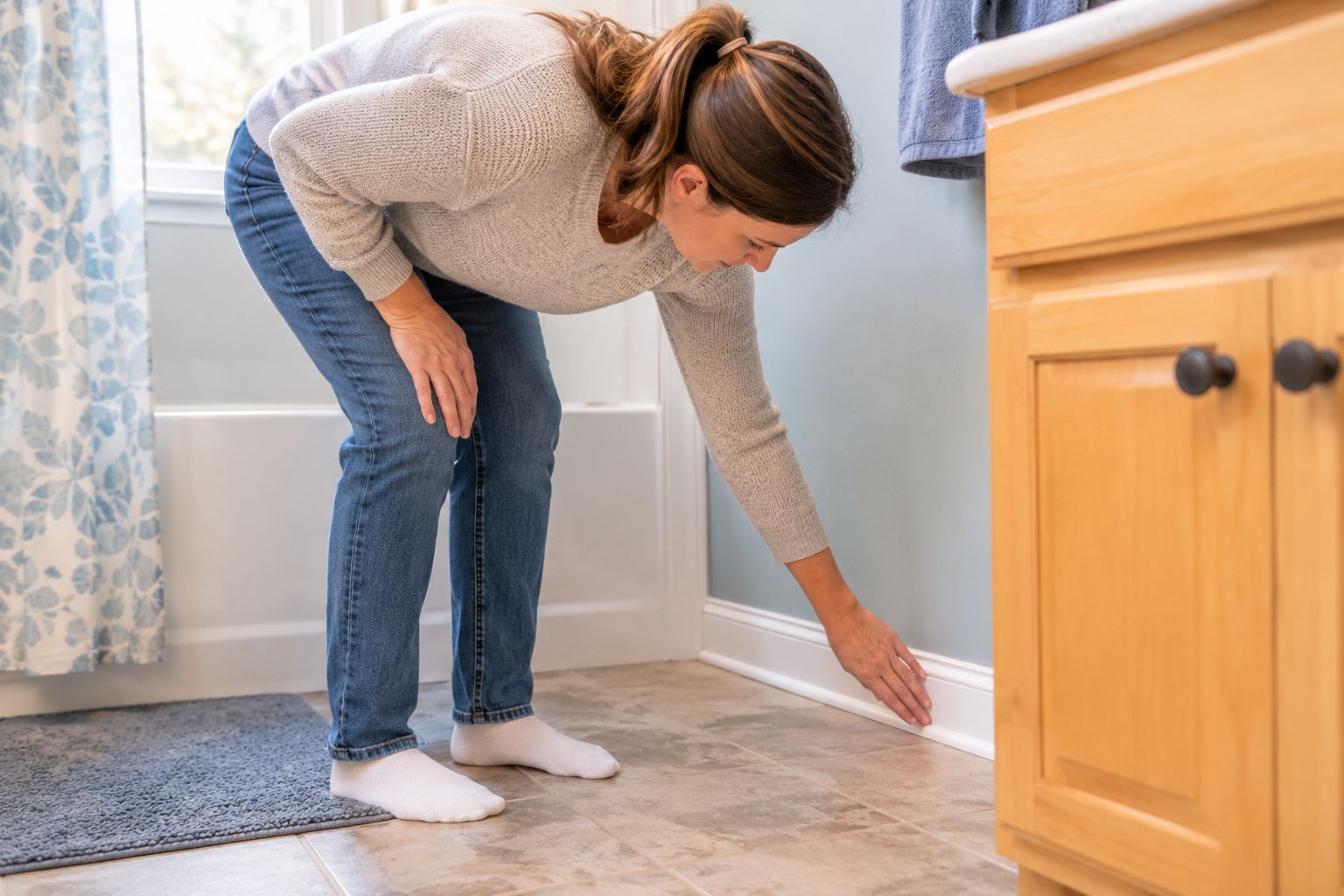
- A draft you can feel at the baseboard or under a sink cabinet on a windy, cold day.
- Rooms over the crawl that warm up slowly even when the heat is running.
- A musty or earthy smell that gets stronger in cold weather, a sign crawl air is coming up into the house.
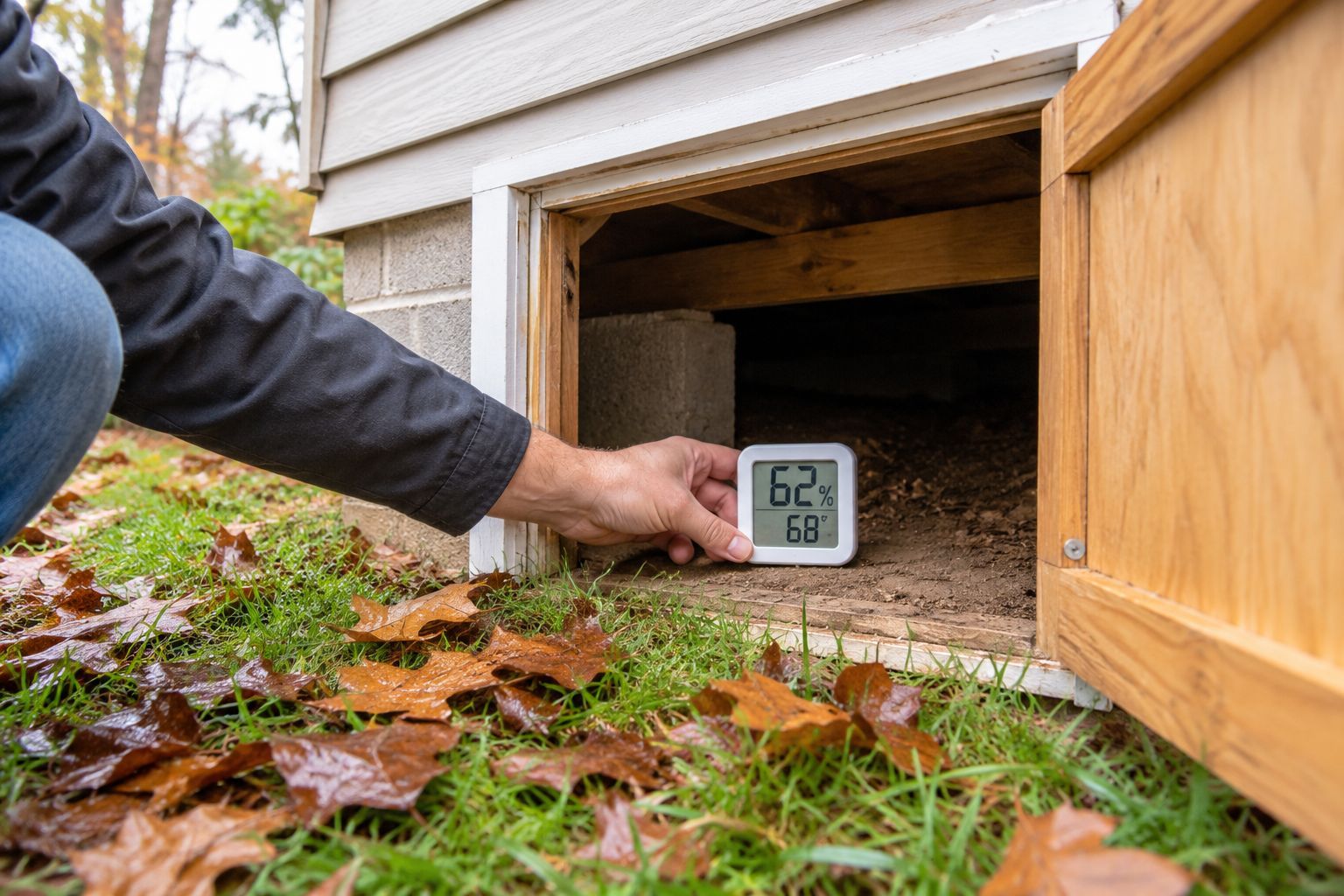
From the crawl hatch, with a good flashlight and without going into a tight or wet space, you can also check whether the floor insulation is sagging or has fallen, whether daylight shows at the rim joist, and whether the ground is wet. If it is wet, start with
fall rain and crawl space moisture in Huntsville.
Why adding insulation first often disappoints
Fiberglass batts between the floor joists slow heat when they are dry and pressed tight against the subfloor. They do not stop air. Cold air moves right through them, and in a damp crawl the batts take on moisture, get heavy, and sag. New batts in an unsealed, damp crawl often end up looking like the old ones within a few seasons.
Insulation works best after the air leaks are sealed and the space is dry. Doing it in that order is what makes the insulation worth the money.
What sealing first, insulating second looks like
- Handle water. Gutters, downspouts, grading, and drainage come before anything gets sealed.
- Seal the ground. A continuous vapor barrier over the soil and up the walls keeps the ground from adding moisture.
- Seal the air paths. Vents, the rim joist, the crawl door, and the plumbing, wiring, and tub openings get closed up.
- Seal the ducts in the crawl so heat stays in and crawl air stays out.
- Keep it dry. A sealed crawl needs a way to manage humidity, usually a dehumidifier sized for the space or a small amount of conditioned air.
- Insulate. In a sealed crawl, insulation usually moves to the foundation walls and rim joist, where moving air is no longer washing through it.
If there is a gas furnace or water heater in the crawl, sealing changes the air those appliances can draw from. That needs a combustion safety check before any sealing work. The full building-science comparison is in
vented versus encapsulated crawl spaces in Alabama, and we covered the October version of this problem in
why Arab floors feel cold in October.
Small things you can do this week
- Make sure the crawl door closes and latches tightly.
- Put rugs down in the coldest spots for now. They help your feet, not the cause.
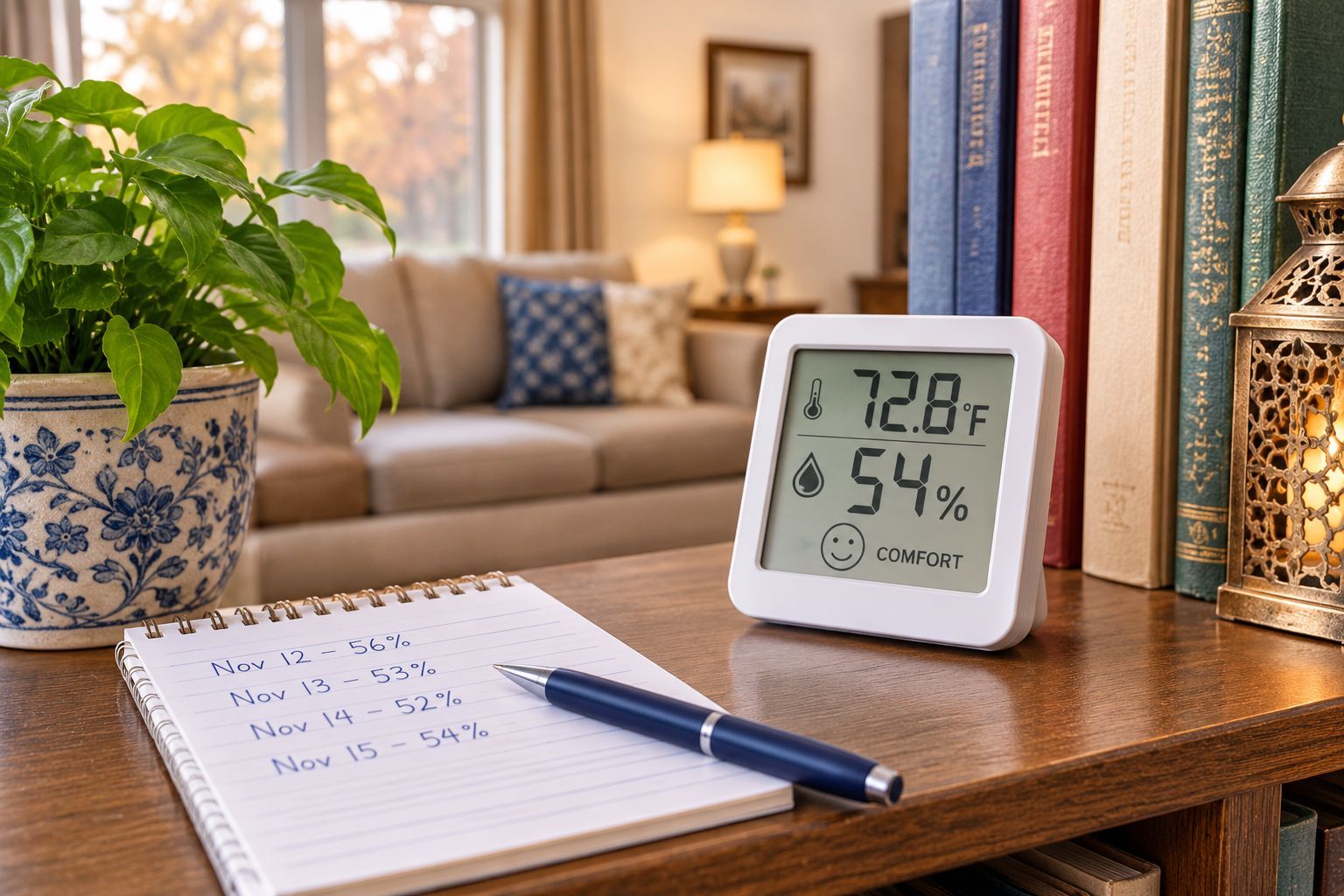
- Keep an eye on indoor humidity. Under 60 percent is the goal, and many homes feel best around 45 to 55 percent. See what indoor humidity should be in a North Alabama home.
- Check that the heat itself is working right.
Test your heat before the first cold night and
fall HVAC checkup before heat season in Huntsville cover the basics.
A calm next step
If your floors stay cold through the winter, ask for a free crawl space quote. We look at the crawl, the rim joist, the ducts, and any moisture, then explain which leaks matter most in your house and what order makes sense. You can read about the work on our crawl space encapsulation and moisture control in Huntsville page and our home performance upgrades page.
If you think the heating system itself is part of the problem, a service call is $85 for non-members, and Home Air Assurance Plan members pay no trip fee.
Book a visit online or call
256-203-6612, Monday-Friday, 7:30 a.m.-5:00 p.m. CT. Dickerson Services
is at 2151 Hopewell Rd in Guntersville.
Frequently Asked Questions
Why are my floors so cold when the house is heated?
Usually because cold air is moving under and into the floor from the crawl space. The thermostat reads warm air higher in the room, while your feet are on a subfloor being cooled from below.
Will more insulation under the floor fix cold floors?
Not by itself. Fiberglass does not stop moving air, and in a damp crawl it tends to sag. Sealing air leaks and controlling moisture first is what lets insulation do its job.
Why is my bathroom floor the coldest?
Bathrooms often have large openings in the subfloor around tub and shower drains that are left open to the crawl. Cold crawl air comes straight up through those gaps.
Should I close my foundation vents in winter?
Closing vents can cut drafts, but on its own it is not a lasting fix. Without a sealed vapor barrier and a way to keep the crawl dry, a closed-up crawl can stay damp. It works best as part of sealing the whole crawl.
What does a free crawl space quote include?
We inspect the crawl, the rim joist, the ductwork, the insulation, and any signs of moisture, then explain what would help and in what order. There is no charge for the quote.
Share this article