
Why is one room hotter than the rest of the house?
June 16, 2026
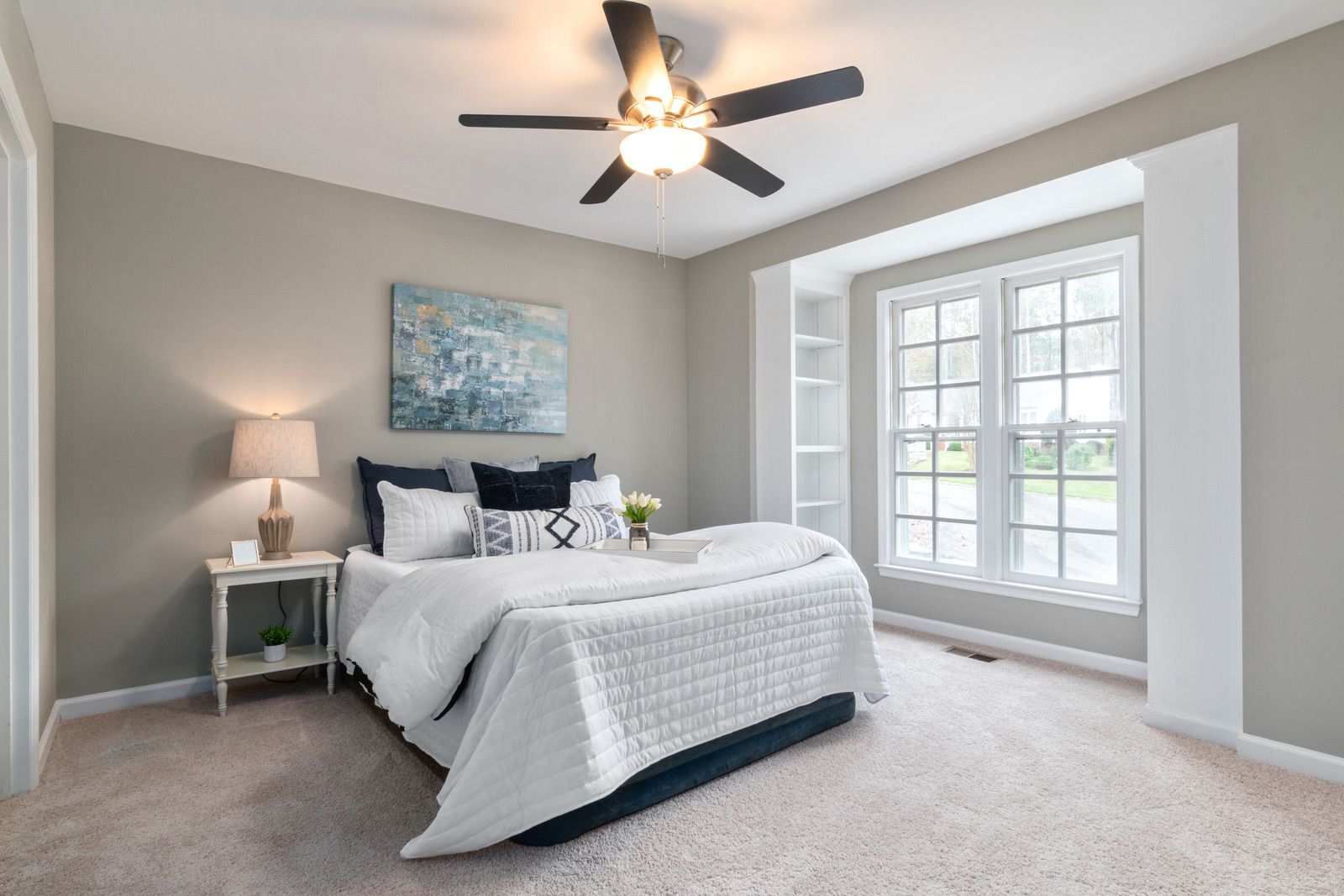
Fixing hot and cold rooms in Alabama homes the right way
Quick summary:
A room that’s always hotter or colder than the rest of the house is almost never “just how it is.” In north Alabama (Huntsville, Guntersville, Arab, Albertville), it’s usually a sign of deeper issues with duct design, system sizing, house leakage, or missing insulation. You can either guess and play “whack‑a‑mole” with vents… or test, diagnose, and fix the root cause so the whole house feels even and comfortable.
Uneven rooms are warning lights, not quirks
When one bedroom, bonus room, or office is way hotter or colder than the rest of the house, it’s more than a nuisance:
- It can be an early warning of bigger hidden problems.
- It often points to design and installation mistakes, not just “old house stuff.”
- It usually gets worse over time as the system and house age.
If your thermostat says 72 but a room still feels warm, or 70 but it feels cold, your system and your house are not working together the way they should.
The 3 big categories of causes
Most hot/cold room problems fall into one (or more) of these buckets:
- Poor duct design and airflow distribution
- Oversized or poorly selected HVAC equipment
- Issues inside the house itself (shell and internal gains)
Let’s walk through each.
1. Poor duct design: not enough air, too much air, wrong place
Ductwork is the “circulatory system” of your home’s comfort. If it’s not designed or balanced correctly, you get:
- Not enough airflow to certain rooms
- Too much airflow dumping into others
- Rooms that never get fully mixed and stabilized
Common duct-related causes:
- A long duct run feeding a bonus room with a single small vent
- Branches that are undersized or kinked
- A supply vent placed poorly relative to returns
- Too many vents fed off one trunk line without enough capacity
Here’s the key:
When we balance a duct system without a true design, we always have the risk of a “whack‑a‑mole” situation:
- You push more air to the hot room
- That air has to come from somewhere
- Suddenly another room becomes the problem
On top of that, if the duct pressure is already too high, we may not have much safe “adjustability” to work with until deeper corrections are made.
2. Oversized systems and short run times
A lot of systems in our area are simply too big for the house, especially gas furnaces during heating season.
What that does:
- The system heats or cools too fast
- It shuts off before air has fully mixed through all the rooms
- Rooms near the unit or main trunk get hit hard
- Farther or more difficult rooms never catch up
So you end up with:
- Thermostat says the right number
- Some rooms feel fine
- Others are always lagging behind or overshooting
In other words, the house is “meeting the thermostat,” but your body doesn’t agree.
3. House issues: leakage, missing insulation, and internal heat gains
Sometimes the problem isn’t just the system. It’s the room itself.
Air leakage
If a room is leakier than the rest of the house, you can have:
- Hot or cold outside air constantly sneaking in
- Attic or crawlspace air connecting with the room
- Pressure imbalances that make that room the “weakest link”
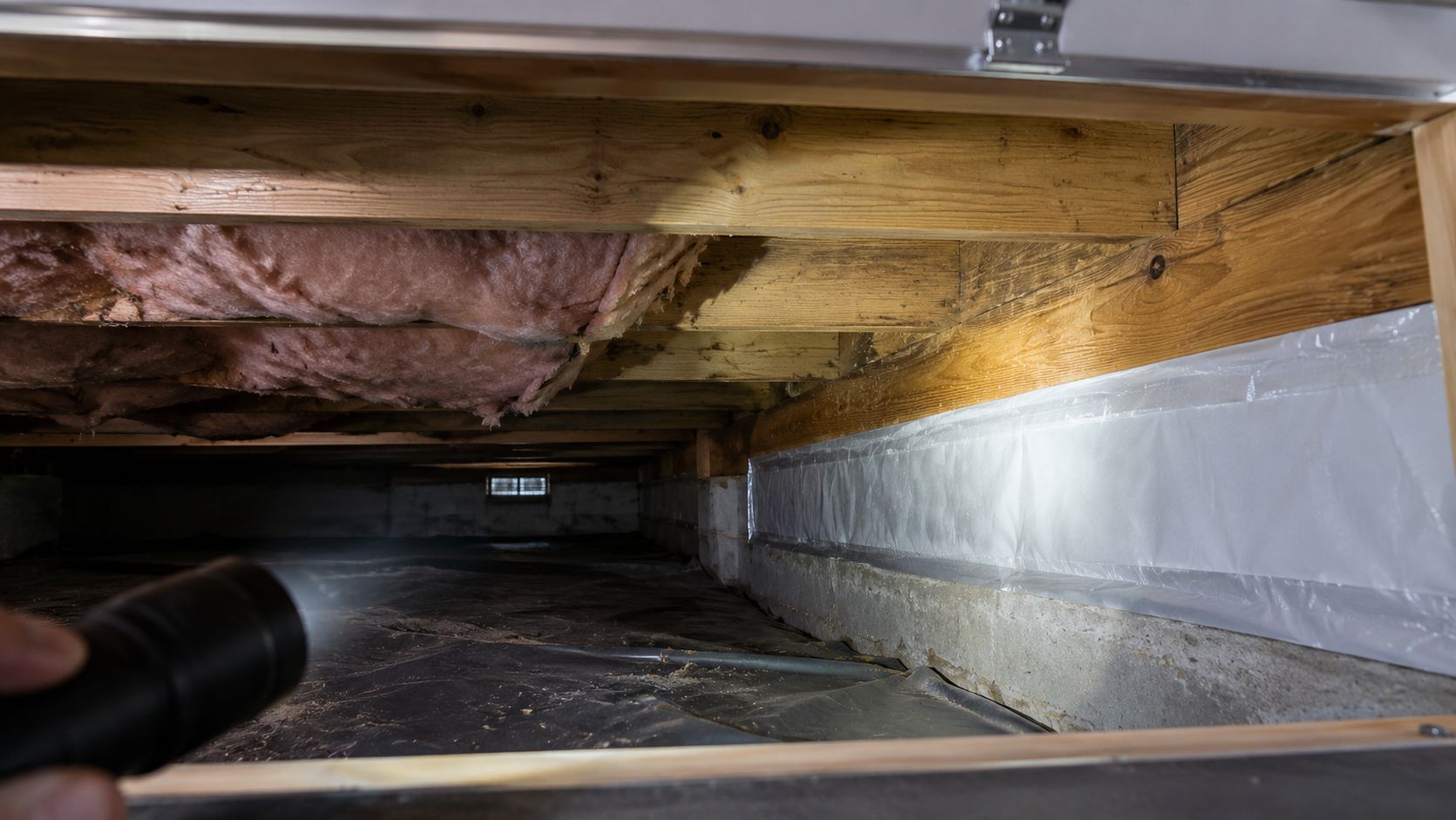
Missing or damaged insulation
If parts of the room are missing insulation, or it was never installed correctly:
- Exterior walls, ceilings, or floors can bleed heat in or out
- One room can lose or gain energy much faster than the rest
Internal gains no one planned for
Modern living has made some rooms way hotter on the inside than they used to be:
- Big TVs and home theater setups
- Gaming computers and equipment
- Heat lamps or equipment for pets
- Always‑on electronics
If a room wasn’t designed and sized around those loads, it can become a constant trouble spot.
Two ways to fix it: guessing vs testing
You have two fundamental paths when you want to solve hot/cold room issues.
Option 1: Guess, tweak, and hope
This is what most people (and a lot of contractors) do:
“Look at it,” make educated assumptions
Close or open vents and dampers
Add a booster fan or two
See what happens, then repeat
Sometimes you get lucky. But often, you play airflow whack‑a‑mole for a long time, spending money and still living with a house that never quite feels right.
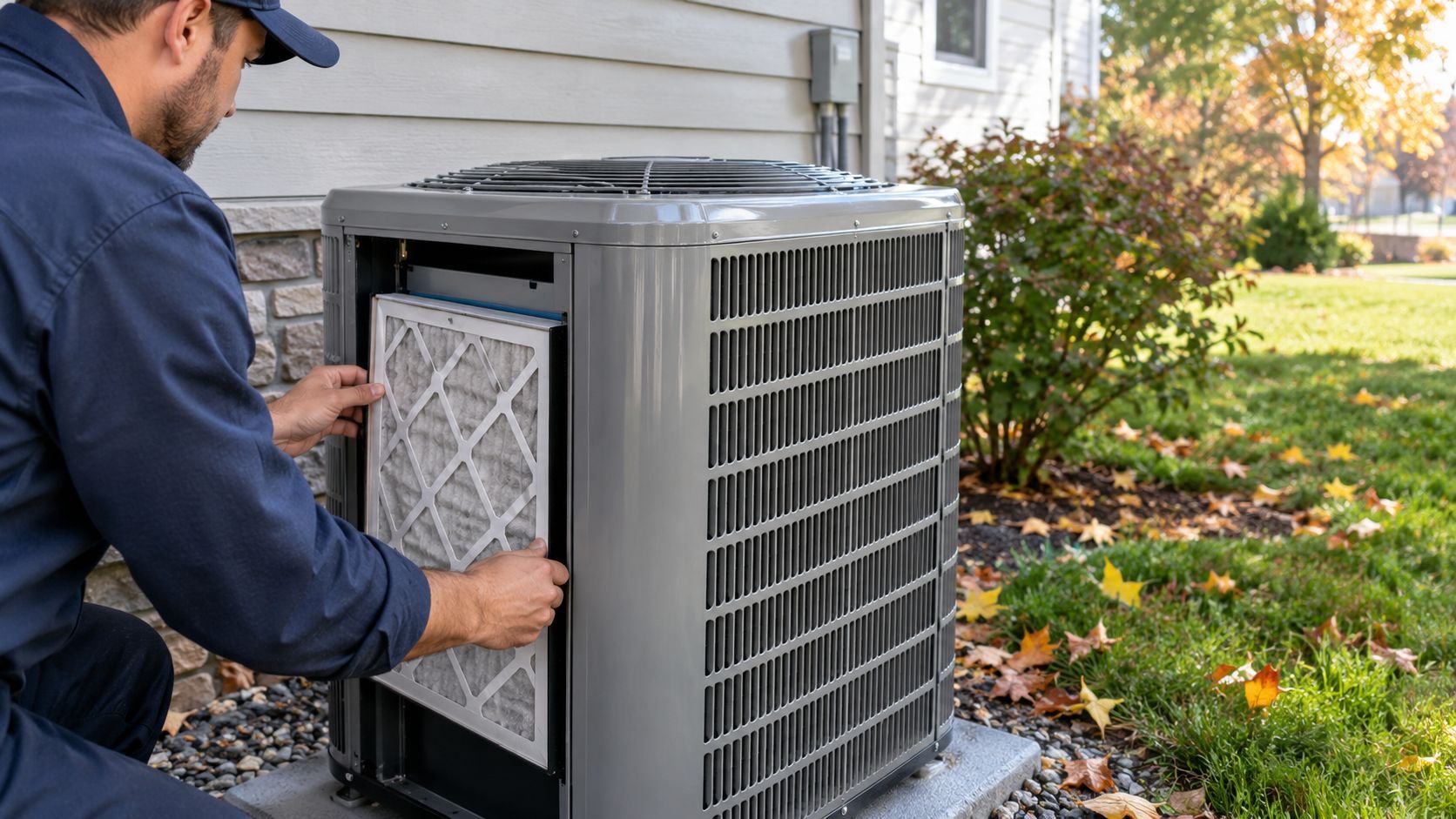
Filter Bypass: Air That Goes Around, Not Through
This is what most people (and a lot of contractors) do:
- “Look at it,” make educated assumptions
- Close or open vents and dampers
- Add a booster fan or two
- See what happens, then repeat
Sometimes you get lucky. But often, you play airflow whack‑a‑mole for a long time, spending money and still living with a house that never quite feels right.
Option 2: Test, diagnose, and make strategic corrections
This is the higher‑success path:
- We actually measure what’s happening in the home and the ducts
- We quantify how leaky the house is
- We see which rooms are most out of balance
- We check how much air each room is supposed to get vs what it actually gets
Then we can design corrections that have a much higher chance of working the first time.
Strong opinion:
If you don’t test, you’re just guessing. A lot of these issues come from:
- Poor design and system selection to begin with
- Poor installation and execution of that design (or no design at all)
The diagnostics that actually tell us what’s wrong
Here are some of the tools we can use, depending on what we find:
- Blower door test
Measures the overall leakage of your home’s shell so we know how “leaky” the house is as a system.
- Zonal pressure testing
While the blower door runs, we measure room‑by‑room pressures to find which rooms are leakier than others.
- Duct pressure testing
Tells us how much safe adjustability we have in the duct system and whether pressure is already too high.
- Infrared testing
Lets us see missing insulation, bad insulation jobs, and some types of air leakage.
- Measured airflow at vents
We measure how much air is actually coming out of the vents feeding a given room.
- Room‑by‑room load calculations
Tell us how much airflow each room should be getting. We pair this with the measured numbers to see the gap.
Once we know that, we can:
- Decide whether the fix is primarily ductwork, shell work, system control changes, or some mix.
- Avoid random trial‑and‑error that wastes your time and money.
Common myths about hot and cold rooms
Myth 1: “This room faces the sun, so it will always be hotter.”
Status: False.
Sun exposure matters, but it is not a life sentence. With the right combination of:
- Proper room‑by‑room load calculations
- Correct duct sizing and placement
- Adequate insulation and air sealing
…you can get those sun‑facing rooms much closer to the rest of the house. “It’s just always going to be like that” is usually code for “no one ever measured or designed it properly.”
Myth 2: “I’ll just close vents to push more air where I want it.”
Status: Myth.
On paper, it sounds logical. In reality:
- Closing too many vents can raise duct pressure
- High pressure can cause more air leaks from the ducts
- It can stress the equipment and shorten its life
- It often creates new problem rooms somewhere else
You might slightly help one room and hurt the system and other rooms at the same time.
Is this normal in a brand‑new house?
Homeowners ask this all the time:
“This is a newly built house. Is that normal?”
Unfortunately, it’s common. But it is not ideal.
New doesn’t always mean:
- Properly designed ducts
- Correctly sized equipment
- Rooms designed with real‑world internal gains in mind
A lot of “normal” comfort problems are really just common design and install shortcuts.
Frequently asked questions about hot/cold rooms
1. This is a newly built house. Is that normal?
It’s common, but that doesn’t mean it’s how it should be. Many new homes are built fast, with duct systems and equipment selected by rule of thumb rather than detailed design. If a room is clearly hotter or colder than the rest, that’s a sign something is off, not just “new house quirks.”
2. If a room gets a lot of direct sunlight, does that mean it has to be hotter?
No. Sun makes the job harder, but not impossible. With the right combination of:
- Room‑specific load calculations
- Correct duct sizing and placement
- Proper insulation and air sealing
…you can get those rooms much closer to the rest of the house. “The sun room is always just going to be hot” is usually a sign that no one has done the math or the diagnostics.
3. Can I close vents to rooms I don’t use to push more air where I need it?
You can, but it’s usually a bad idea.
Closing vents can:
- Spike duct pressure
- Increase leakage from the duct system
- Put extra strain on your equipment
- Create new hot/cold problems elsewhere
If you want more air to a problem room, the better path is to measure and adjust ducts and design based on real numbers.
4. We’ve been told “this is normal” and nothing can be done. Is that true?
No. That’s usually shorthand for:
- “We don’t have the tools to diagnose it.”
- “We’d rather not open the can of worms.”
In north Alabama, we deal with hot/cold room complaints all the time. With the right diagnostics and planning, we can almost always make real improvements, even if the house wasn’t designed perfectly from day one.
When it’s time to get help
It’s worth getting a professional involved if:
- You avoid certain rooms because they’re always uncomfortable
- You constantly fight over the thermostat because fixing one room ruins another
- You’ve already tried simple things (filter changes, checking vents, etc.) and nothing really changes
At that point, guessing will keep costing you time and frustration.
Your next step if one room is hotter or colder than the rest
If you’re in Huntsville, Guntersville, Arab, or Albertville and you’re tired of living with “that room” that never feels right, you don’t need another opinion that says “it’s normal.”
You need someone to test, diagnose, and design a fix based on real measurements.
That’s exactly what my Comfort Consult is built for:
- A structured, two‑visit diagnostic on your home and system
- Real testing on airflow, leakage, and room‑by‑room needs
- A clear, prioritized plan to correct the underlying causes, not just band‑aid symptoms
Give us a call or text if you would like personalized help finally solving this problem.
Climate and Plant Selection
Selecting appropriate vegetation is crucial for the success of green roofs in the Mid-Atlantic region. Native and drought-tolerant plants are ideal, ensuring survival during dry spells and high-intensity storms. Sedums, grasses, and other hardy species maintain runoff retention and resist seasonal stress, supporting regulatory compliance throughout the year.
Share this article